A heart ultrasound on self-pay can cost you anywhere between $1000-5000. However, the prices may vary based on a lot of factors such as your location (state/city), type of ultrasound, and whether you have insurance or not.
In this blog, we will discuss these factors in detail to help you plan your expenses better. We’ll also go through the signs and symptoms which indicate you need a heart ultrasound.
What is a Heart Ultrasound?
A heart ultrasound is commonly known as an echocardiogram. It’s a non-invasive diagnostic test that uses high-frequency sound waves to create detailed images of the heart.
Before ultrasounds became popular, doctors used different methods which were less-precise, and sometimes invasive, to evaluate heart health. This also included methods like X-rays that exposed patients to a lot of unnecessary radiation.
However, doctors don’t have to perform such lengthy procedures anymore. An echocardiogram hardly takes 30 minutes to complete and it shows your heart beating, pumping blood, and working of valves— all in real-time. If any problems such as a closed valve or blood clot is detected, doctors can plan further treatment accordingly.
This way, a heart ultrasound can help in:
- Early detection of heart defects before they become serious.
- Guiding treatment decisions based on real-time insights.
- Better monitoring of heart health over time.
Factors Influencing Your Heart Ultrasound Cost
Here are five factors that determine your final, out-of-pocket expense for heart ultrasound. Understanding the reason behind them can help you make better decisions.
1. Insurance Coverage
Heart ultrasound insurance coverage plays a significant role in reducing your overall cost. Many insurances cover partial or sometimes, even full cost of the procedure depending on the plan. However, if you don’t have insurance, you will likely have to pay the full cost which ranges anywhere between $1000-3000 (or sometimes even up to $5000).
2. Type of Ultrasound
There are different types of heart ultrasounds, each varying in cost and complexity. But to give you an overview, transthoracic echocardiogram (TTE), which is the most common non-invasive type of ultrasound, is less-expensive compared to the rest.
On the other hand, transesophageal echocardiogram (TEE) is a more complex procedure which, in turn, makes it a bit expensive. A complete breakdown of types of ultrasound with their expected cost is given in the next section.
3. Location and Facility Type
Any procedure performed in large urban hospitals tends to be more expensive compared to rural or smaller clinics. This is due to the higher overhead and healthcare costs in developed cities. Additionally, the state and region you live in can also make a huge difference on the total cost of echocardiogram. Here’s the average pricing range for major U.S. cities depending on the procedure and facility:
New York City: Between $2000 and $5000
Houston, Texas: Between $1800 and $3500
Los Angeles: Between $1800 and $4500
San Francisco: Between $2000 and $5000
Miami: Between $1500 and $4000
Phoenix: Between $1200 and $3500
Dallas: Between $1300 and $3800
Chicago: Between $1500 and $4000
4. Emergency Services
If the ultrasound is performed in an emergency setting (ER), the cost will be higher than usual. This is because emergency services often come with added fees aiding the urgent nature of care and staff involved.
5. Aftercare Charges
Many patients need aftercare services post ultrasound. This includes follow-up appointments, additional tests, or consultations with specialists in cases where further treatment (example: surgery) is needed. These added services can increase the overall cost of the procedure.
What are the different types of Heart Ultrasounds?

Here’s a simple breakdown of different types of heart ultrasound, how they are performed, and their price comparison (how much they typically cost).
Disclaimer: All prices mentioned are on self-pay and vary from location to location. So if you have insurance you won’t have to pay full price.
1. Transthoracic Echocardiogram (TTE)
It’s the most common (and simple) type of echocardiogram. It’s a non-invasive technique, which uses a transducer to send sound waves to your heart. These waves create images of the heart that can be seen on the monitor in real time. TEE is a quick and painless procedure which normally costs anywhere between $1000-3000.
2. Transesophageal Echocardiogram (TEE)
This type of heart ultrasound is done by placing a tube with a small transducer down your throat. The patient is sedated for comfort since it’s a bit more invasive than TTE. This allows doctors to take a closer and better look at the valves and chambers of the heart. It can cost anywhere between $2000-5000 as it’s a more advanced procedure.
3. Stress Echocardiogram
Stress Test Echocardiogram checks the heart health under stress. The patient is asked to walk or run on a treadmill while the stress test machine monitors the heart functions. It helps to detect problems like blocked arteries and costs around $1500-3500.
4. Fetal Echocardiogram
This ultrasound is done to check the fetal heartbeat. It helps to detect any potential heart issues pre-delivery. The procedure is similar to regular ultrasound but it uses special transducer probes. This costs anywhere from $1500 to $3000.
5. Doppler Echocardiogram
Doppler ultrasound is used to measure blood flow through the heart and blood vessels. It can detect artery blockages or poor blood flow. This is often done alongside other types of echocardiogram for a fuller picture and depending on the complexity of the test, could cost around $1500-3800.
When do I need a Heart Ultrasound?
There isn’t a specific age when everyone should get a heart ultrasound. But given the sedentary lifestyle these days, many people experience these symptoms at a young age too. Typically people over 50 are at higher risk of heart diseases. Doctors recommend getting one especially if you experience any symptoms like:
Chest pain: It’s the most common symptom of poor heart health. If you feel any pressure, tightness, or a burning sensation in your chest, radiating towards your arms and neck—you should seek medical attention immediately.
Shortness of Breath: Difficulty breathing while doing normal chores or climbing up the stairs. This could be a sign of weak heart
Fatigue: Unexplained and frequent fatigue, where you feel extremely tired after light activities, could also mean an underlying heart issue.
Irregular Heartbeat: If your heart starts beating abnormally fast, making you uneasy, you should consult a doctor.
Family history: If you have a family history of heart diseases, it could also put you at risk. It’s better to get a check-up to catch any potential issue early.
Diabetes or Blood Pressure: Both these diseases directly affect your heart health. So an ultrasound can help you monitor that before it becomes serious.
Frequently Asked Questions
Are there any risks associated with having a cardiac ultrasound?
Not at all. It’s a non-invasive, safe procedure, even for children. Some patients might feel a mild discomfort with the transducer, but it’s temporary.
What should I expect during the procedure?
You will be asked to lie down on the exam bed. A technician will apply a special gel to your chest and use a transducer to capture images of your heart. You may be asked to breathe deeply or hold your breath at times. The procedure takes about 30-45 minutes to complete and it’s painless.
How often should I get a cardiac ultrasound if I have a history of heart issues?
If you have a history, your doctor may recommend getting one annually or more often if you’re experiencing new symptoms. You should always follow your doctor’s recommendation based on your specific condition.
Will my insurance cover the cost of a heart ultrasound?
Yes, most insurance plans cover heart ultrasounds, but the coverage percentage varies from plan to plan. Make sure to check with your insurance provider for details about your specific plan.
Are there any low-cost options for getting a cardiac ultrasound?
Yes! Here are some low-cost options you can check:
- Community Health Centers
- Hospital Financial Assistance Programs
- Health Insurance Plans
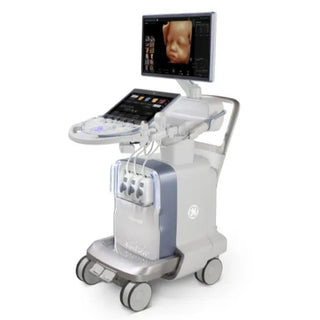
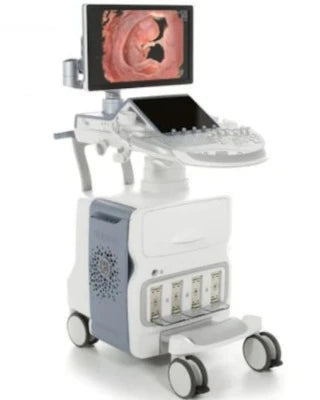
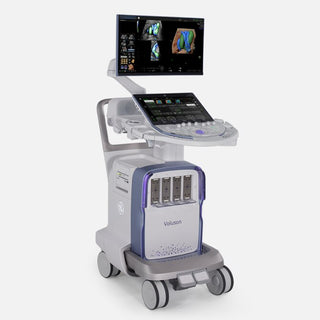
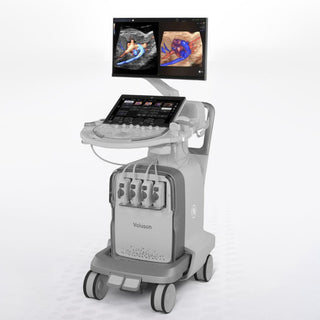
Looking for the Best Heart Ultrasound Machine?
Heart Medical offers a wide range of high-quality, affordable ultrasound machines for sale. Get in touch today and representatives will walk you through all available options suited for your needs.
Reviewed by Heart Medical Clinical Applications Team
Clinical and technical specialists ensuring accuracy and relevance across all Heart Medical content.
Related Products