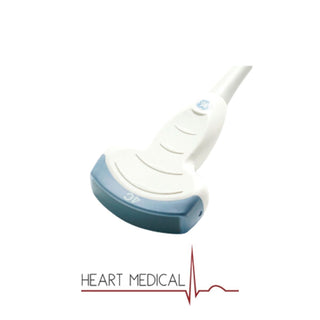
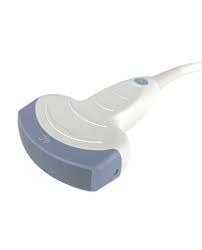
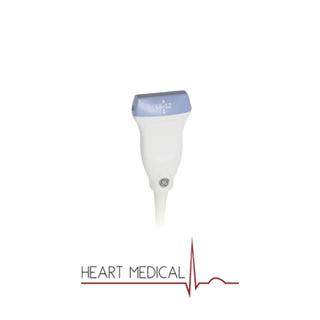
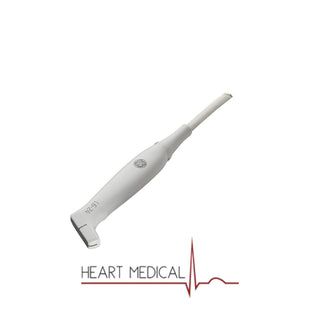
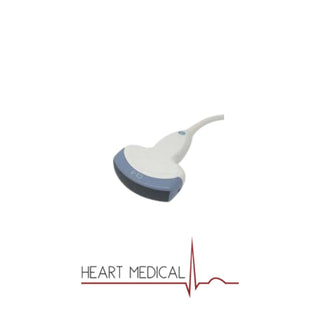
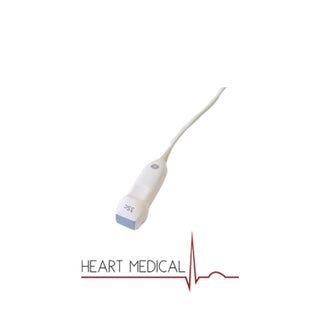
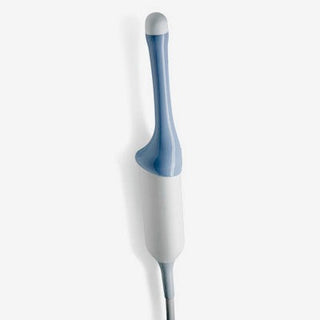
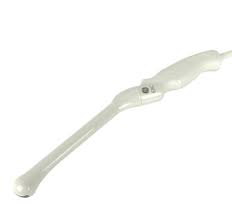
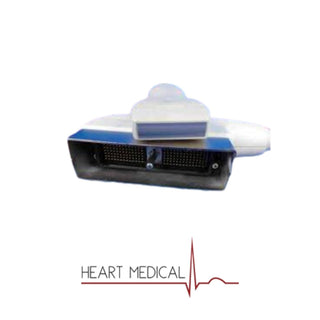
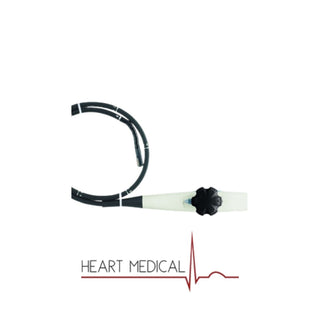
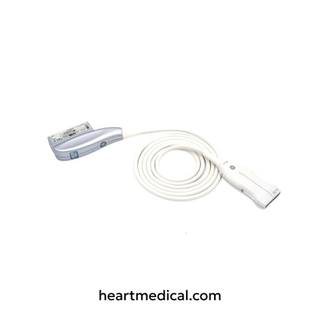
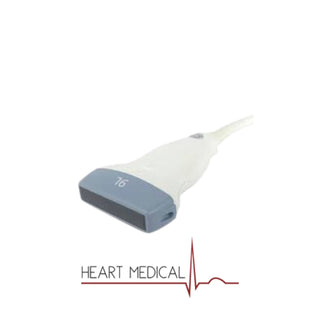
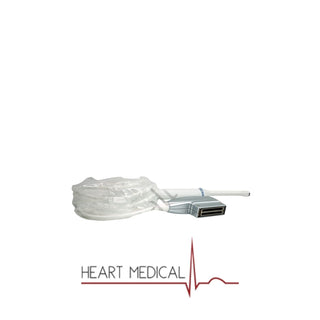
Understanding probe compatibility is essential to ensuring accurate diagnostics and optimal performance. When compatibility is overlooked, issues such as poor image quality, system errors, or reduced efficiency may arise, potentially impacting patient care. Proper compatibility eliminates these risks, providing seamless operation and maximizing the value of the Versana system.
This guide is designed to provide clear, actionable insights into probe compatibility across the four Versana systems: Premier, Balance, Essential, and Active. By exploring the unique capabilities of each system and their compatible probes, this guide will help you make informed decisions and ensure smooth integration into your medical practice.
Versana Essential Probe Compatibility Table

| Transducer | Applications | Footprint (mm) | Frequency Range (MHz) | FOV (Degrees) | Part Number |
|---|---|---|---|---|---|
| 4C-RS | Abdominal, OB, GYN, Vascular, Urology, Thoracic, Pediatric, MSK, Interventional Guidance | 18.3 x 66.2 | 2.0 – 5.0 | 58° | E8385NA |
| L6-12-RS | Vascular, Pediatric, Small Parts, MSK, Thoracic, Interventional Guidance | 11.4 x 47.0 | 4.0 – 13.0 | 38.4 mm | H40432LC |
| 3Sc-RS | OB, GYN, Urology, Transvaginal, Transrectal, Interventional Guidance | 16.9 x 21.2 | 4.2 – 10.0 | 128° | E8385MJ or H40412LN |
| E8C-RS | OB, GYN, Urology, Transvaginal, Transrectal, Interventional Guidance | 18.6 x 13.9 | 4.0 – 10.0 | 168° | E8385MJ or H40412LN |
| E8Cs-RS | Cardiac, Abdominal, Vascular, Transcranial, Thoracic, Interventional Guidance | 23.7 x 18.4 | 1.7 – 4.0 | 120° | H46222LC |
| 8C-RS | Cardiac Pediatric, Vascular, Pediatric, Transcranial, Interventional Guidance | 23.5 x 16.8 | 2.5 – 7.0 | 120° | Not available |
| 6S-RS | Abdominal, OB, GYN, Urology, Interventional Guidance | 62.2 x 34.0 | 2.0 – 6.0 | 70° (B), 70° x 84° (Volume scan) | H48681ML |
| LK760-RS | Pediatric, MSK, Cardiac Pediatric, Transcranial, Interventional Guidance | 12.0 x 22.0 | 4.2 – 10.0 | 131° | Not available |
| RAB2-6-RS | MSK, Interventional Guidance | 67 x 13 | 3.5 – 10.0 | 59.9 mm | Not available |
Versana Premier Probe Compatibility Table

| Transducer | Applications | Frequency Range (MHz) | Field of View (Degrees) | Part Number |
|---|---|---|---|---|
| 4C-RS | Abdominal, OB/GYN, Vascular, Urology, Thoracic, Pediatric, MSK, Interventional Guidance | 2.0 – 5.0 | 58° | E8385NA |
| L6-12-RS | Vascular, Pediatric, Small Parts, MSK, Thoracic, Interventional Guidance | 4.0 – 13.0 | 38.4 mm | H40432LC |
| 3Sc-RS | Cardiac, Abdominal, Vascular, Transcranial, Thoracic, Interventional Guidance | 1.7 – 4.0 | 120° | H46222LC |
| E8C-RS | OB/GYN, Urology, Transvaginal, Transrectal, Interventional Guidance | 4.0 – 10.0 | 168° | E8385MJ or H40412LN |
| E8Cs-RS | OB/GYN, Urology, Transvaginal, Transrectal, Interventional Guidance | 4.2 – 10.0 | 128° | E8385MJ or H40412LN |
| 8C-RS | Cardiac Pediatric, Vascular, Pediatric, Transcranial, Interventional Guidance | 2.5 – 7.0 | 120° | Not available |
| 6S-RS | Cardiac, Pediatric, Vascular, Transcranial, Interventional Guidance | 2.5 – 7.0 | 120° | Not available |
| RAB2-6-RS | Abdominal, OB/GYN, Urology, Interventional Guidance | 2.0 – 6.0 | 70° (B), 70° x 84° (Volume scan) | H48681ML |
| IC5-9-RS | OB/GYN, Urology, Transvaginal, Interventional Guidance | 3.0 – 8.0 | 129° | Not available |
| 12L-RS | Small Parts, Vascular, MSK, Interventional Guidance | 5.0 – 13.0 | 38.4 mm | H40432LC |
Versana Balance Probe Compatibility Table

| Transducer | Applications | Frequency Range (MHz) | Field of View (Degrees) | Part Number |
|---|---|---|---|---|
| 4C-RS | Abdominal, OB/GYN, Vascular, Urology, Thoracic, Pediatric, MSK, Interventional Guidance | 2.0 – 5.0 | 58° | E8385NA |
| L6-12-RS | Vascular, Pediatric, Small Parts, MSK, Thoracic, Interventional Guidance | 4.0 – 13.0 | 38.4 mm | H40432LC |
| 3Sc-RS | Cardiac, Abdominal, Vascular, Transcranial, Thoracic, Interventional Guidance | 1.7 – 4.0 | 120° | H46222LC |
| E8C-RS | OB/GYN, Urology, Transvaginal, Transrectal, Interventional Guidance | 4.0 – 10.0 | 168° | E8385MJ or H40412LN |
| E8Cs-RS | OB/GYN, Urology, Transvaginal, Transrectal, Interventional Guidance | 4.2 – 10.0 | 128° | E8385MJ or H40412LN |
| 8C-RS | Cardiac Pediatric, Vascular, Pediatric, Transcranial, Interventional Guidance | 2.5 – 7.0 | 120° | Not available |
| 6S-RS | Cardiac, Pediatric, Vascular, Transcranial, Interventional Guidance | 2.5 – 7.0 | 120° | Not available |
| RAB2-6-RS | Abdominal, OB/GYN, Urology, Interventional Guidance | 2.0 – 6.0 | 70° (B), 70° x 84° (Volume scan) | H48681ML |
| IC5-9-RS | OB/GYN, Urology, Transvaginal, Interventional Guidance | 3.0 – 8.0 | 129° | Not available |
| 12L-RS | Small Parts, Vascular, MSK, Interventional Guidance | 5.0 – 13.0 | 38.4 mm | H40432LC |
Versana Active Probe Compatibility Table

| Transducer | Applications | Frequency Range (MHz) | Field of View (Degrees) | Part Number |
|---|---|---|---|---|
| 3Sc-RS | Cardiac, Abdominal, Vascular, Transcranial, Thoracic, Interventional Guidance | 1.7 – 4.0 | 120° | H46222LC |
| 12S-RS | Pediatric Cardiac, Neonatal Cephalic, Abdominal, Vascular, Interventional Guidance | 3.0 – 8.0 | 90° | Not available |
| 6S-RS | Cardiac, Pediatric, Vascular, Transcranial, Interventional Guidance | 2.5 – 7.0 | 120° | Not available |
| L6-12-RS | Vascular, Pediatric, Small Parts, MSK, Thoracic, Interventional Guidance | 4.0 – 13.0 | 38.4 mm | H40432LC |
| 12L-RS | Small Parts, Vascular, MSK, Interventional Guidance | 5.0 – 13.0 | 38.4 mm | H40432LC |
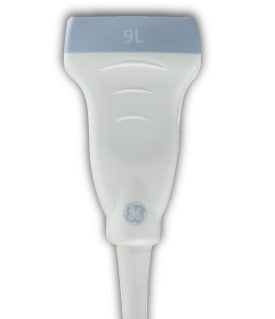
| 9L-RS | Vascular, Small Parts, Pediatric, MSK, Interventional Guidance | 2.5 – 10.0 | 50 mm | H40432LC |
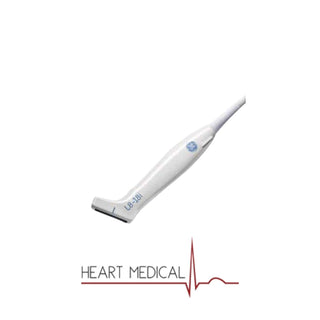
| L8-18i-RS | Small Parts, Vascular, MSK, Interventional Guidance | 4.0 – 18.0 | 25 mm | Not available |
| 4C-RS | Abdominal, OB/GYN, Vascular, Urology, Thoracic, Pediatric, MSK, Interventional Guidance | 2.0 – 5.0 | 58° | E8385NA |
| 8C-RS | Cardiac Pediatric, Vascular, Pediatric, Transcranial, Interventional Guidance | 2.5 – 7.0 | 120° | Not available |
| E8C-RS | OB/GYN, Urology, Transvaginal, Transrectal, Interventional Guidance | 4.0 – 10.0 | 168° | E8385MJ or H40412LN |
| E8Cs-RS | OB/GYN, Urology, Transvaginal, Transrectal, Interventional Guidance | 4.2 – 10.0 | 128° | E8385MJ or H40412LN |
Factors Influencing Probe Compatibility

System Specifications
Probe compatibility heavily depends on the system's hardware and software specifications. Each ultrasound system operates on specific frequencies, and the probe's frequency must align with the system's capabilities to deliver accurate imaging. Additionally, the array type of the probe must match the clinical application, ensuring the intended diagnostic use is achieved effectively.
Clinical Applications
Probes are designed for specific medical applications, such as abdominal, cardiac, or vascular imaging. Using an incompatible probe can lead to suboptimal image quality, potentially resulting in misdiagnoses. Matching the probe to its intended specialty ensures precise results and operational efficiency.
System Updates and Backward Compatibility
Newer probe models often incorporate advanced technology that may not be compatible with older systems. Similarly, older probes may lack the functionality required to integrate with updated systems. Ensuring that probes and systems are compatible across generations is essential for maintaining workflow consistency.
Environmental and Handling Factors
Proper handling and storage of probes are critical for maintaining their performance. Extreme temperatures, humidity, and mechanical stress can compromise a probe's structural integrity, leading to reduced image quality or complete failure. Using manufacturer-approved cleaning agents and following recommended disinfection protocols can prevent material degradation and extend the life of the probe.
Maintenance and Care
Routine inspection and maintenance are necessary to detect potential issues early. Damaged cables, worn connectors, or compromised probe surfaces can affect system compatibility and performance. Regular servicing ensures that probes remain functional and align with system requirements.
By addressing these factors, healthcare professionals can optimize the performance and longevity of their Versana ultrasound probes, ensuring reliable diagnostics and seamless system operation.
Importance of Proper Cleaning and Disinfection
Proper cleaning and disinfection of ultrasound probes are critical to preventing hospital-acquired infections (HAIs) and ensuring patient safety. Adhering to recommended protocols helps maintain probe functionality and longevity.
Recommended Cleaning Agents and Disinfectants
GE HealthCare provides a list of approved cleaning and disinfecting agents compatible with their ultrasound systems and probes. It's essential to use only these approved agents to avoid potential damage. For a comprehensive list of compatible agents, consult your user manual or visit GE HealthCare's official website.
Compatibility with High-Level Disinfection Systems
Many GE ultrasound probes are compatible with high-level disinfection systems like the trophon® EPR. Probes such as the 3Sc-RS, 6S-RS, 12S-RS, 12L-RS, L8-18i-RS, 4C-RS, E8C-RS, E8Cs-RS, RAB2-6-RS, RIC5-9A-RS, 8C-RS, and L6-12-RS can be disinfected using the trophon EPR system. Always ensure the probe is inactive (not selected) during the disinfection cycle.
Best Practices to Prevent Hospital-Acquired Infections
-
Immediate Cleaning: After each examination, promptly remove all visible soil and gel from the probe using a soft, lint-free cloth. This initial step is crucial before proceeding to disinfection.
-
Disinfection: Following cleaning, disinfect the probe according to its use classification. For semi-critical procedures involving mucous membranes or non-intact skin, high-level disinfection is required. For non-critical procedures involving intact skin, low-level disinfection may suffice.
-
Use of Barriers: Employ sterile covers or sheaths during procedures, especially for endocavitary probes, to provide an additional layer of protection against cross-contamination.
-
Regular Inspection: Routinely examine probes and cables for signs of wear or damage. Damaged equipment should be removed from service and evaluated by qualified personnel.
-
Proper Storage: Store probes in a clean, dry environment, away from direct sunlight or extreme temperatures. Avoid coiling cables tightly or hanging probes by their cables, as this can cause internal damage.
By following these guidelines, healthcare professionals can significantly reduce the risk of HAIs and ensure the safe and effective use of ultrasound probes.
Conclusion
The Versana Ultrasound family exemplifies how advanced technology and proper probe compatibility enhance diagnostic accuracy across specialties. However, the true potential of these systems relies not only on understanding probe compatibility but also on maintaining rigorous cleaning and disinfection practices.
From selecting the right probe for specific applications to ensuring safe handling and effective disinfection, every step contributes to improved patient outcomes and operational excellence. By following best practices, utilizing compatible high-level disinfection systems, and staying informed about manufacturer guidelines, healthcare professionals can extend the life of their equipment while safeguarding patients and staff from unnecessary risks. Explore GE Ultrasound Probes here.
Frequently Asked Questions
What are the signs that an ultrasound probe needs servicing or replacement?
Visible cracks, discoloration, cable fraying, or inconsistent imaging quality are clear indicators that a probe requires servicing or replacement. Regularly inspecting probes for wear and tear can help detect these issues early.
Can the same probe be used for different clinical applications?
Some probes are versatile and support multiple applications, such as abdominal, OB/GYN, and vascular imaging. However, always verify the probe’s compatibility with the specific application and ultrasound system to ensure accurate results.
How often should probes be disinfected?
Probes should be disinfected after every patient use, especially for procedures involving mucous membranes or non-intact skin. High-level disinfection is critical for semi-critical and invasive procedures.
Are there environmental factors that can affect probe performance?
Yes, extreme temperatures, humidity, or improper storage can damage probes. It is essential to store probes in a clean, dry environment, away from direct sunlight or excessive heat, to maintain their longevity.
Is it safe to use non-approved cleaning agents on ultrasound probes?
No, using non-approved cleaning agents can degrade the probe's material, leading to malfunctions and reduced lifespan. Always refer to the manufacturer’s list of approved cleaning and disinfection agents.
Can a damaged probe cause harm to a patient?
Yes, a damaged probe can lead to inaccurate imaging, which may result in misdiagnoses or ineffective treatment. In rare cases, physical damage may compromise patient safety during certain procedures. Regular inspections are vital.
What should I do if a probe malfunctions during a procedure?
If a probe malfunctions, stop using it immediately and replace it with a functional probe. Ensure that the damaged probe is sent for inspection and servicing by qualified personnel.
How does probe frequency impact imaging quality?
Higher frequency probes provide better resolution but are limited in penetration depth, making them ideal for superficial imaging. Lower frequency probes offer greater penetration, making them suitable for deeper structures like the abdomen or cardiac imaging.
Are all ultrasound systems compatible with 3D or 4D imaging probes?
No, not all systems support advanced imaging modalities like 3D or 4D. Ensure that your ultrasound machine is equipped with the necessary software and hardware to utilize such probes effectively.
What steps can be taken to train staff on proper probe care?
Conduct regular training sessions that cover handling, cleaning, disinfection, and storage of probes. Providing access to manufacturer manuals and guidelines ensures that staff follow recommended practices. Hands-on demonstrations can reinforce these protocols effectively.
Reviewed by Heart Medical Clinical Applications Team
Clinical and technical specialists ensuring accuracy and relevance across all Heart Medical content.