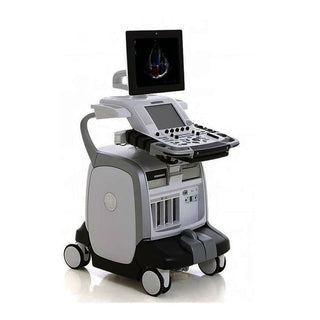
Ultrasound therapy is an integral part of rehabilitation, physical therapy and health industry. It provides an effective and non-invasive way to enhance healing and relieve pain. Among the various modalities of ultrasound, two major techniques stand out in the health industry. These are pulsed and continuous ultrasound. While talking about Pulsed Vs Continuous Ultrasound, it is important to understand the difference between these two methods. Making the right choice between them has a great impact on treatment outcomes.
In reality, pulse and continuous ultrasound are both based on high-frequency sound waves, which you can find out in Philips ultrasound machine. They penetrate tissues and provide therapeutic benefits. However, the emission of sound waves is different and affects the therapeutic effects. These variations might influence many factors, such as energy delivery, tissue heating and the overall effect of treatment. Let's quickly compare these two modalities and learn how they differ from each other.
Comparison Table: Pulsed vs Continuous Ultrasound
|
Modality Feature |
Pulsed Ultrasound |
Continuous Ultrasound |
|
Wave Emission |
There are intermitted bursts of sound waves with more pressure |
Continuous but steady emission of slow sound waves |
|
Energy Delivery |
Maintain lower than the average intensity level of energy |
It can be used for average to higher intensity levels of energy |
|
Tissue Heating |
Minimal to no tissue heating capability |
Fast tissue healing capability |
|
Duration of Treatment |
Often require longer sessions for treatment |
Typically, short sessions because of continuous energy |
|
Duty Cycle |
Duty cycle range from 10% to 50% |
The duty cycle is 100% |
|
Safety |
Safe to use on all sensitive areas in acute conditions |
Need to perform with caution to avoid overheating on sensitive body tissues |
|
Clinical Usage |
Used to treat acute injuries or repair broken/damaged tissues |
Used to treat chronic conditions with deep tissue heating |
|
Effects or Outcomes |
Effective for treating inflammation and enhancing tissue repair function |
Effective to increase blood flow and provide instant pain relief |
7 Basic Differences between Pulsed and Continuous Ultrasound

Ultrasound therapy is a widely used treatment for treating chronic physical conditions. Ultrasound for heart treatment is widely used in physical therapy that provide many benefits include heart tissues healing, pain relief and increase blood flow.
But when we talk about ultrasound treatment there are two methods that mostly used in healthcare facilities. Pulsed ad continuous ultrasound both use high-frequency sound waves but server different outcomes. Let’s have a look at the seven primary differences between pulsed and continuous ultrasound.
1. Wave Emission:
Pulsed Ultrasound: The type of ultrasound deliver sound waves directly in pulses or bursts. Pulsed ultrasound work over intermittent emission of sound waves which means there are slight periods happen then no sound waves are transmitted.
Continuous Ultrasound: As compared to pulsed ultrasound, continuous ultrasound deliver a steady stream of slow sound waves without any break or period. The continuous nature of sound wave emission found in Ge S70 ultrasound machine allow to provide consistent energy to the patient which is essential to treat chronic issues.
2. Tissue Heating:
Pulsed Ultrasound: In Pulsed treatment ultrasound generate a minimal tissue heating. There is a low amount of wave emission generate and allow the tissues to cool down during the pause. The feature make this treatment suitable for treating acute injuries which does not require continuous heating.
Continuous Ultrasound: Because of the steady waves emission, continuous ultrasound generate strong tissue heating with continuous waves. The health help to increase blood flow, reducing pain and relaxing muscles in chronic condition. But in case healthcare surgeons have no experience for managing it can lead to tissue damage because of excessive heat apply.
3. Delivery of Energy to Patient Body:
Pulsed Ultrasound: In the pulsed ultrasound, because of intermittent wave emission limited heat energy provided to tissues. The lower energy is useful for promoting the tissue repair and healing the thermal damages. The pulsed nature allow to have more gentle treatment and treat inflamed or sensitive tissues with delicate energy exposure.
Continuous Ultrasound: As compared to pulsed treatment, continuous ultrasound provide higher intensity level of energy because the sound waves are continuous. This energy level is beneficial for achieving thermal effects to increase blood flow and reducing wide muscle pain. But healthcare surgeons should follow care monitoring to make sure tissues will not get over heated.
4. Duration of Treatment:
Pulsed Ultrasound: This type requires longer treatment because the energy provided to the patient's body is in intermittent form. The low energy means more time is needed to achieve the desired results.
Continuous Ultrasound: As compared to pulse ultrasound, continuous ultrasound can be completed in shorter time because of the steady energy emission. With shorter treatment session you can achieve therapeutic benefits. This feature make it a perfect choice for those who require rapid relief in chronic conditions and muscle cramps.
5. Clinical Applications:
Pulsed Ultrasound: This ultrasound type is used to treat inflammation, acute injuries, and conditions that require minimal energy emission. It has the capability to promote tissue repair without harming other muscles and reduce inflammation in sensitive areas. Pulsed ultrasound is useful for upgrading the healing process in post-surgical recoveries.
Continuous Ultrasound: This ultrasound is used for chronic conditions such as deep tissue healing. Its application are wider like treating muscle spasms, chronic pain recovery, scar tissue repair and joint stiffness. Treatment is only useful for treating long-term injuries or other generative conditions like ultrasound for arthritis that can treat chronic issues.
6. Safety Parameters:
Pulsed Ultrasound: This treatment is safer to use on all sensitive areas. Because of the lower energy emission, it has limited risks of overheating.
Continuous Ultrasound: Continuous ultrasound need more caution because of the higher risks associated with overheating. It is vital to monitor the treatment with the use of body trace blood pressure monitor by experts to avoid thermal injuries. Continuous ultrasound should only be used by experts who know how to manage the intensity level.
7. Duty Cycle:
Pulsed Treatment: In this treatment the duty cycle is less than 100% and range between 10-50%. For example 20% duty cycle means the ultrasound is active for 10% of the time and remain inactive for 80% time. It means in pulsed function, ultrasound remain inactive in given period but emit sound waves for 20% fraction of time.
Continuous Ultrasound: In continuous energy emission, the duty cycle is 100%. It means there is a continuous emission of sound waves throughout the treatment session. In the entire treatment the energy emitting to patient body remain same without any delay or pause. However, careful monitoring is required to avoid overheating.
Conclusion:
Whether you are dealing with the chronic condition or any acute muscle problem both of these treatment can help you to elevate the pain. But it is important to understand the different between pulsed and continuous ultrasound machines.
Ultimately professional healthcare experts know which treatment is suitable for your injuries so consult with the professionals to treat health issues. You can explore a range of ultrasound machines at Heart Medical that serve different functions. All of them serve different purposes, including GE Vivid and Siemens ultrasound machines.
Reach out to Heart Medical now and get valuable advanced ultrasound transducer machines!
FAQs:
What Is Continuous Ultrasound Used For?
Continuous ultrasound is used for treating chronic health conditions, including joint stiffness, muscle pain, muscle spasms etc. It can increase blood flow by providing deep tissue eating.
When Would You Use a Pulsed Ultrasound?
If you are suffering from acute injuries, muscle pull, and inflammation, which require minimal tissue healing, then it is appropriate to use pulsed ultrasound.
When to Use Continuous and Pulsed Ultrasound?
Continuous ultrasound repairs deep tissue inflammation with strong and steady heat. However, pulsed ultrasound can treat acute tissue healing by providing heat in fractional form to the affected area.
Reviewed by Heart Medical Clinical Applications Team
Clinical and technical specialists ensuring accuracy and relevance across all Heart Medical content.
Related Products