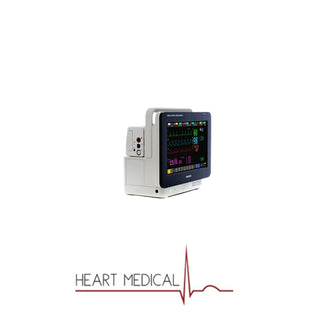
U.S. Ambulatory Surgery Centers and step-down units need patient monitors that are fast, simple, and reliable. The Philips IntelliVue MX450 delivers all three.
It combines bedside power with transport flexibility. The compact 12-inch touchscreen makes it easy to read in any lighting. Nurses and technicians use the same IntelliVue interface they know, so training takes minutes.
The MX450 adapts to workflows where patients move from surgery to recovery or from ward to transport. It gives consistent monitoring, sharp displays, and smooth EMR integration.
This article explains the MX450 in detail. You will learn its key specifications, modular design, clinical uses, EMR capabilities, and how it compares to GE B450. We also cover refurb pricing and a U.S. buyer’s checklist.
In this article, we’ll cover:
- What the MX450 offers in specs and design for U.S. ASCs & step-down units
- How it integrates with EMR systems and fits into workflow
- What to know about refurbished units and total cost
- A side-by-side comparison with the GE Healthcare CARESCAPE B450
Philips IntelliVue MX450 Technical Overview
Display: 12-inch color TFT LCD with 1280 × 800 resolution. Shows up to six real-time waves, or twelve ECG traces for rhythm analysis. Clear viewing in bright ORs or dim recovery rooms.
Touchscreen and Controls: Resistive touchscreen as standard. SmartKeys with icons give direct access. External input devices supported including mouse, keyboard, trackball, and barcode reader.
Weight and Portability: 12.3 pounds with an integrated handle. Designed for bedside or in-hospital transport. Rugged enough for daily movement in ASC and hospital workflows.
Battery Performance: Lithium-ion battery provides three to five hours depending on configuration. Quick charge in three hours when powered off.
Measurement Modules: Works with Multi-Measurement Module (M3001A) and X2 module (M3002A). Provides ECG, SpO₂, NBP, respiration, and invasive pressures. Extensions add CO₂, temperature, or cardiac output monitoring.
Gas Analyzers: Supports IntelliVue G1 and G5 analyzers. Measures anesthetic gases, CO₂, and N₂O. G5 includes automatic agent detection and advanced O₂ measurement.
Connectivity: Built-in wired LAN, wireless 802.11 a/b/g, and Smart Hopping WMTS for U.S. use. DVI output supports a secondary display. USB ports allow accessories and data export.
Networking: Full integration with IntelliVue Clinical Network and EMR systems. Supports ADT transfer between monitors and central station connectivity.
Alarms and Safety: Configurable alarms with IEC-compliant sounds. Automatic alarm limits adjust to patient condition. Alarm lamps and messages are color-coded for severity.
Clinical Decision Support: Features like Guardian Early Warning Scoring, ST Map, ProtocolWatch for sepsis screening, and neonatal oxyCRG. These tools help clinicians detect early signs of deterioration.
Documentation and Reports: Integrated recorder and printer support. Generates ECG reports, vital signs, cardiac output, histograms, and event reviews.
Design Philosophy: Modular, scalable, and adaptable. Protects long-term investment by allowing upgrades as clinical needs change.
Modular Architecture & Upgrade Path
Multi-Measurement Module (MMS): Connects directly to the MX450. Delivers ECG, SpO₂, NBP, respiration, invasive pressures, and temperature. Stores patient demographics and trends. Supports diagnostic 12-lead ECG and multi-lead arrhythmia.
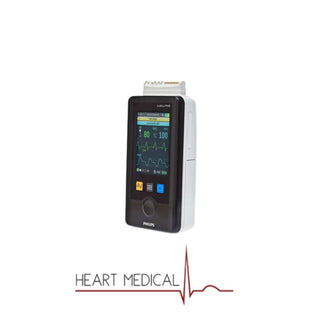
X2 Module: Works as both a detachable transport monitor and plug-in module. Provides up to 24 hours of stored trends and demographic data. Extends core measurements with CO₂, invasive pressures, and advanced arrhythmia analysis.
MMS Extensions: Add targeted functionality. Options include additional invasive pressures, cardiac output, continuous cardiac output, sidestream or mainstream CO₂, and Microstream CO₂ for intubated and non-intubated patients.
Gas Analysis Integration: IntelliVue G1 and G5 analyzers connect for anesthetic agent measurement. G5 offers automatic agent detection and advanced O₂ technology. Supports MAC calculation and mixed-agent measurement for OR environments.
Transport Ready Design: Modules detach easily and reconnect without re-entry of patient demographics. This reduces risk of data loss and ensures continuous monitoring during transfers.
Networking and EMR Upgrades: IntelliBridge interfaces connect external devices. IntelliVue Clinical Network integration enables ADT transfers and central station display. Hospitals can expand wireless infrastructure with 802.11 or Smart Hopping options.
Future-Proofing: The modular approach allows U.S. ASCs and step-down units to start with a base system and add features as needs grow. Protects investment while ensuring compatibility with future Philips technologies.
EMR & Interoperability Features
Network Connectivity: The MX450 connects through wired LAN or wireless 802.11. It also supports Smart Hopping for hospital telemetry in U.S. bands. This allows secure integration into existing clinical networks.
EMR Integration: Data flows from the MX450 into hospital information systems and EMRs such as Epic and Cerner. Patient demographics, ADT details, and monitoring results can be captured automatically without re-entry.
Device Interfaces: The IntelliBridge interface links external medical devices directly to the monitor. This expands the scope of captured data and reduces manual charting.
ADT and Transfer Continuity: When patients move from one area to another, modules like the X2 carry demographics and stored trends. Once reconnected, the MX450 updates seamlessly with the hospital system.
Alarm Forwarding: If the monitor is connected to the central station, alarms trigger both locally and at the information center. This ensures no alarm is missed even when staff are away from the bedside.
Security and Compliance: Networking protocols support encryption, authentication, and secure data transfer. This protects patient information and supports HIPAA compliance for U.S. buyers.
Scalability: Facilities can start with a basic configuration and expand to wireless connectivity or device integration as demands grow. The design ensures long-term compatibility with Philips enterprise systems.
Alarm Management & Patient Safety
Automatic Alarm Limits: The MX450 adjusts alarm thresholds to each patient’s current vital signs. This reduces unnecessary alerts and focuses staff attention on real risks.
Multi-Level Alarm System: Visual and audible alerts are graded by severity. Red alarms mark life-threatening conditions. Yellow alarms indicate parameter breaches or arrhythmias. Technical alarms signal device issues.
Smart Display of Alarms: Alarm messages are color-coded. Numeric values flash when outside safe range. Alarm lamps on the monitor provide instant recognition across the unit.
SmartAlarm Delay: A built-in delay helps prevent nuisance alarms from transient events such as patient movement. This improves workflow and reduces alarm fatigue.
Central Station Integration: When connected to the Philips Information Center, alarms appear both on the bedside monitor and at the central station. Nurses see alerts even when they are not in the room.
Profiles for Safety: Predefined profiles automatically set suitable alarm and safety limits for adult, pediatric, or neonatal patients. Switching profiles saves setup time and ensures consistent protection.
Event Recording: Alarms trigger automatic storage of waveforms and numerics. Clinicians can review events later to guide interventions and improve response accuracy.
Clinical Use Cases in ASCs & Step-Down Units
The MX450 offers full vital-sign monitoring (ECG, SpO₂, NBP, respiration) and advanced features in a compact form. In same-day surgery recovery areas where turnover is high and training time is limited, its familiar IntelliVue interface accelerates staff adoption. The 12-inch display delivers key data at a glance.
Step-Down & Telemetry Wards:
In sub-acute or step-down units, patient acuity may shift rapidly. The MX450 is specifically optimized for variable-acuity environments such as step-down and NICU. Its transport-capable battery and handle support transitions when patients move from floor to monitoring-capable suites or during intra-hospital transport.
In-Hospital Transport & Multi-Area Workflow:
When patients are transferred (for example, from PACU → imaging → ward), monitoring continuity is critical. The MX450 supports built-in battery, transport-ready mount options, and interfaces that connect bedside devices and EMR consistently through the move.
NICU and Specialized Care Settings:
Though designed for a broad range of acuities, the MX450 also has support for neonatal event review and specialized modules (e.g., oxyCRG) in intensive-intermediate settings. It’s cited for use when acuity varies and flexibility is needed.
EMR & Device Ecosystem Integration:
In ASCs and step-down units where data must flow into facility EMR systems (Epic, Cerner etc.), the MX450 offers built-in connectivity and optional IntelliBridge interfacing that streamlines data capture from bedside monitors and linked devices.
Infection Control & Facility Fit:
For US sites concerned with infection control and staff turnover, the MX450’s smooth surfaces, passive cooling (no fan) design and standard disinfection readiness support easier cleaning and reduce microbial accumulation.
New vs Refurbished MX450 in the US Market
Use Case Fit: New units suit long horizons and standardization. Refurb units suit budget control and rapid fleet expansion.
Hardware Condition: Refurb units should be patient ready. Ask for full cosmetic grading, board level diagnostics, and final QA results.
Battery and Power: Require new or recently replaced batteries. Verify charge time and runtime under your waveform load.
Software and Licenses: Confirm installed software version. List enabled options such as ECG analysis, CO₂, and event surveillance. Get license keys in writing.
Calibration and PM: Demand recent calibration, PM sticker, and service log. Include acceptance testing on delivery.
Accessories and Sensors: Request a complete kit. Include SpO₂ sensor, NBP hose and cuffs, ECG lead set, and CO₂ sampling lines if needed.
Warranty and Service: New units carry longer OEM coverage. Refurb units need a written depot or on-site warranty. Include turnaround times and loaner policy.
Compliance: Ensure Rx only labeling, electrical safety test, and documentation for Joint Commission review.
Total Cost: Compare five year cost. Include batteries, sensors, CO₂ disposables, and service. Add IT time for EMR integration.
Procurement and Compliance Checklist for US Buyers
Intended Use: Confirm adult, pediatric, or neonatal profiles match unit policy.
Configuration: Lock the modules you need now. MMS or X2. IBP. CO₂. Cardiac output. Gas analysis.
Networking: Verify LAN, wireless, or telemetry bands with IT. Map VLANs, authentication, and certificate needs.
EMR Workflow: Test ADT flow and data capture from admit to discharge. Record a live alarm and review at the central station.
Alarms: Validate alarm limits by profile. Confirm red and yellow alarm behavior. Test nurse call relay.
Transport Workflow: Move a patient from PACU to imaging with X2. Check that trends and demographics persist.
Mounting: Choose wall, boom, or cart. Confirm clearances, cable management, and cleaning access.
Cleaning and IFU: Align wipes and disinfectants with the IFU. Document wipe cycles and dry times.
Power and UPS: Verify outlet loads and UPS sizing. Label outlets and test on battery switchover.
Battery Management: Track serials and replacement dates. Add batteries to the facility PM plan.
Acceptance Testing: Run ECG, SpO₂, NBP, IBP, and CO₂ checks. Print reports. Save screenshots for records.
Training: Provide a 30 minute nurse in-service. Cover screen layouts, profiles, and alarm handling.
Documentation: Keep IFU, configuration report, calibration certificates, and warranty terms in the equipment file.
Conclusion
The Philips IntelliVue MX450 stands out as a strong choice for U.S. Ambulatory Surgery Centers and step-down units. It blends portability with advanced monitoring, integrates seamlessly with EMRs, and supports flexible modular upgrades. Clinical tools such as Guardian EWS and ProtocolWatch add safety value. Its design ensures smooth patient transfers, while modular growth protects investment for years ahead.
Whether purchased new or refurbished, the MX450 provides reliable monitoring that adapts to ASC and hospital workflows. For buyers balancing cost, compliance, and performance, it delivers a proven platform that supports both today’s needs and tomorrow’s growth.
Explore New or Refurbished Philips IntelliVue MX450
We provide U.S. hospitals and ASCs with new and refurbished MX450 monitors, full accessories, and warranty-backed service. Our team ensures EMR integration, biomed testing, and Joint Commission compliance from day one.
Contact Heart Medical today to request a quote or speak with a specialist about building a patient-ready solution for your unit.
Frequently Asked Questions
Is MX450 compatible with existing IntelliVue modules?
Yes. MMS and X2 connect directly and carry patient data between areas.
How long does the battery of Philips MX450 last?
Typical runtime is several hours. Confirm your runtime at clinical brightness and waveform load.
Does MX450 support neonatal monitoring?
Yes. Profiles include neonatal. Tools such as oxyCRG and event review support NICU workflows.
What should a refurbished package include?
A patient ready unit with new or recent battery, full calibration, cables and sensors, and written warranty.
Can we add features later?
Yes. The platform is modular. Add CO₂, IBP channels, cardiac output, or gas analysis as needs grow.
Reviewed by Heart Medical Clinical Applications Team
Clinical and technical specialists ensuring accuracy and relevance across all Heart Medical content.