By the Heart Medical Team · Last reviewed October 2026 · Sources: Internal Revenue Service (IRS)
Official IRS sources used in this guide: Publication 946 · Form 4562 Instructions · Revenue Procedure 2025-32 · Notice 2026-11
If your practice is planning an equipment purchase, the timing matters. Section 179 is a provision of the U.S. federal tax code that lets an eligible business deduct the cost of qualifying equipment in the year the equipment is placed in service, instead of depreciating it over several years. Medical equipment such as ultrasound systems, EKG machines, stress test systems, and patient monitors can qualify when the requirements are met.
This guide covers the 2026 limits, what equipment qualifies (including certified factory refurbished systems), what the December 31 deadline really means, and what to discuss with your accountant before you buy.
Section 179 for Medical Equipment: Quick Answer
Yes. Qualifying medical equipment that a taxable business purchases and places in service during 2026 may be eligible for the Section 179 deduction. For tax years beginning in 2026, the maximum deduction is $2,560,000, and the deduction begins to phase out when total qualifying equipment purchases exceed $4,090,000. Pre-owned (used) equipment can also qualify when it is new to the business and acquired from an unrelated party.
For calendar-year businesses, equipment generally must be ready and available for its intended use by December 31, 2026. Ordering it before December 31 is not enough.
2026 Section 179 Limits at a Glance
*For calendar-year taxpayers, assuming all other requirements are met. Limits are from IRS Revenue Procedure 2025-32.
Want your equipment ready before December 31?
Delivery and installation typically take 4–6 weeks. Get a quote on new or certified factory refurbished equipment now, and we'll confirm a realistic timeline before you commit.
REQUEST A QUOTE → or call +1 (833) 409-4600Key Takeaways
- Section 179 lets a qualifying business expense eligible equipment in the year it's placed in service, up to $2,560,000 for tax years beginning in 2026.
- Pre-owned equipment can qualify if it's new to your business and purchased from an unrelated party, so certified factory refurbished systems can count.
- "Placed in service" means ready and available for use. Equipment ordered but not delivered and set up by December 31 generally counts toward the following year.
- Thanksgiving is not a tax deadline. It's Heart Medical's recommended order date, because delivery and installation typically take 4–6 weeks.
- 100% bonus depreciation is also available for qualifying property acquired after January 19, 2025. Your accountant will decide which approach fits.
- Section 179 mainly helps taxable businesses such as private practices, physician groups, and imaging centers. Tax-exempt organizations generally won't benefit.
What Is Section 179?
Section 179 is a provision of the U.S. tax code that allows a business to elect to deduct all or part of the cost of qualifying equipment in the year the equipment is placed in service, rather than recovering that cost through depreciation over several years. The election is made on IRS Form 4562.
To qualify, property generally must be:
- Tangible business property, such as equipment and machinery (certain off-the-shelf software can also qualify)
- Used more than 50% for business
- Acquired by purchase, not from a related party
- Placed in service during the tax year you claim it
The deduction generally can't exceed your taxable business income for the year (the business income limitation).
Who Can Use Section 179 for Medical Equipment?
Section 179 reduces federal taxable income, so it's most relevant to taxable medical businesses, including:
- Private medical practices
- Physician groups
- Cardiology practices
- Imaging centers
- Diagnostic laboratories
- Outpatient clinics
- Ambulatory surgery centers
- Other for-profit medical businesses
Tax-exempt organizations and government entities generally won't benefit, since they don't owe federal income tax. For them, year-end timing may still matter for budget reasons, just not for Section 179.
Bottom line: If your practice is a taxable business that buys equipment for clinical use, Section 179 is worth discussing with your CPA before year-end.
Does Medical Equipment Qualify for Section 179?
Yes. Medical equipment that a business buys and uses more than 50% for business purposes is generally the type of tangible property Section 179 was written for. Your accountant will confirm how a specific purchase should be treated.
What Medical Equipment Can Qualify?
Eligibility depends on the specific purchase and your circumstances. Confirm with your tax professional.
Example: A Cardiology Practice Buying an Ultrasound System
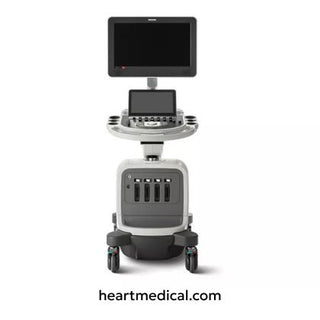
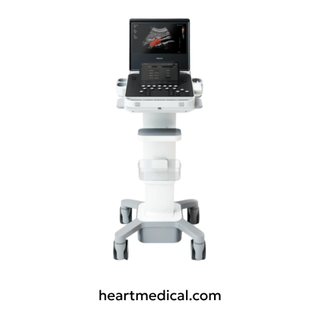
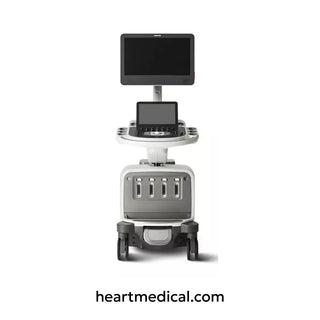
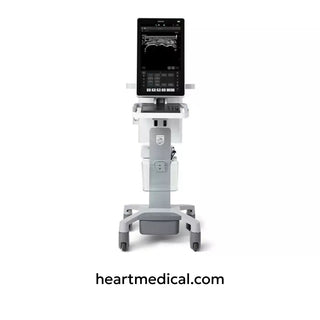
A cardiology practice buys an ultrasound system in 2026. If the system meets the Section 179 requirements and is delivered, installed, and ready for clinical use by December 31, 2026, the practice may be able to elect to deduct the qualifying cost on its 2026 return instead of depreciating it over several years. If installation slips into January 2027, the system would generally be placed in service in 2027. The practice should confirm the deduction and any limits with its tax professional.
Can Used or Factory Refurbished Medical Equipment Qualify for Section 179?
Yes. Pre-owned (used) equipment can qualify for Section 179 as long as it's new to your business and purchased from an unrelated party. The property doesn't have to be brand new. It has to be new to you.
Can a Certified Factory Refurbished Ultrasound System Qualify?
Yes. A certified factory refurbished ultrasound system is not disqualified because it was previously owned. If your practice didn't own or use it before, buys it from an unrelated party, and places it in service during the year, it can qualify like any other eligible equipment.
Certified factory refurbished equipment is pre-owned equipment that has been restored, tested, and certified before resale. For practices, it can offer a purchase price closer to third-party pricing, with manufacturer support closer to new. If you're considering a certified factory refurbished ultrasound system, our guide to factory-certified vs. 3rd-party medical equipment covers the 10 questions to ask any seller.
Example: A Practice Buying Certified Factory Refurbished Equipment
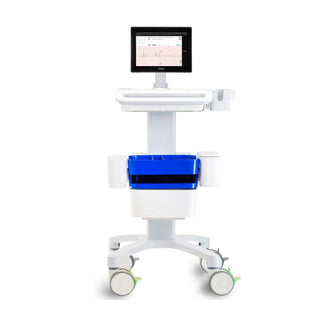
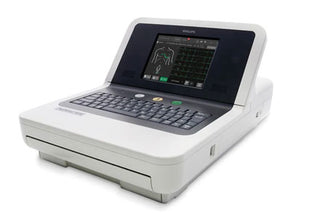
An outpatient clinic replaces an aging EKG machine and adds a stress test system, choosing certified factory refurbished units for both. Neither system was previously owned by the clinic, both are bought from an unrelated seller, and both are installed and ready for use in early December. Under the IRS rules, both purchases can be treated like any other qualifying equipment placed in service in 2026, subject to the clinic's own tax situation.
Bottom line: Used medical equipment can qualify for Section 179 when it meets the requirements. A certified factory refurbished system is not disqualified simply because it was previously owned.
What Does "Placed in Service" Mean for Medical Equipment?
For Section 179 purposes, medical equipment is generally considered placed in service when it is ready and available for its intended business use, even if you haven't started using it yet (IRS Publication 946).
The IRS's own example: a machine delivered in one year but not installed and operational until the next year is placed in service in the later year.
Why December 31 Matters
December 31 is the relevant year-end date for a calendar-year taxpayer. To count for 2026, the equipment must be ready for use by then. That includes order processing, configuration, shipping, delivery, installation, and any applications training your team needs before using it.
Why Thanksgiving Is Heart Medical's Recommended Ordering Target
Thanksgiving is not an IRS deadline. It's Heart Medical's operational recommendation: delivery and installation typically take 4–6 weeks, and the holiday season slows shipping and scheduling. Ordering before Thanksgiving (November 26) gives your equipment a realistic chance of being ready before December 31.
Bottom line: Ordering equipment before December 31 is not enough. For a calendar-year business, the equipment generally needs to be ready and available for its intended use by December 31.
Section 179 vs. Bonus Depreciation for Medical Equipment
The 2025 tax law (the One, Big, Beautiful Bill Act) permanently restored 100% bonus depreciation for qualifying property acquired after January 19, 2025 (IRS Notice 2026-11). Both approaches can let a business deduct equipment costs sooner, but they work differently:
Which is better for medical equipment? There's no universal answer. The right treatment depends on your practice's income, tax position, entity structure, state tax rules, and the equipment itself. Many businesses use both. Ask your CPA before year-end.
Can Financed Medical Equipment Qualify for Section 179?
Financing can be a way to put equipment in service this year while spreading payments over time. Section 179 is tied to when equipment is placed in service. Whether a financed purchase qualifies depends on how the agreement is structured, so review the terms with your accountant before you sign.
Heart Medical offers financing options on equipment purchases. You can start a financing application here and share the terms with your CPA.
Year-End Medical Equipment Purchasing Checklist
- Identify the clinical need: replacement, expansion, or a new service line.
- Talk to your CPA. Ask whether Section 179, bonus depreciation, or both make sense for 2026.
- Compare new and certified factory refurbished options for each piece of equipment.
- Request quotes early and confirm availability.
- Confirm delivery, installation, and training dates in writing before you commit.
- Place your order before Thanksgiving (Heart Medical's recommendation; delivery and installation typically take 4–6 weeks).
- Keep your documentation: invoice, delivery date, installation date, and proof the equipment was ready for use.
How Heart Medical Can Help
We can't advise you on taxes, but we can make the equipment side of year-end easier:
- Quotes on new and certified factory refurbished equipment
- Clear delivery and installation timelines, so you know what's realistic before December 31
- Documentation with invoice and delivery details for your records
- Financing options to help with cash flow
Planning a year-end equipment purchase?
Talk to your accountant, then talk to us. We'll help you find the right equipment and a timeline that works before December 31.
REQUEST A QUOTE → Explore financingFreq|uently Asked Questions
What is the Section 179 limit for 2026?
For tax years beginning in 2026, the maximum Section 179 deduction is $2,560,000. The deduction is reduced dollar for dollar when the total cost of qualifying property placed in service during the year exceeds $4,090,000, per IRS Revenue Procedure 2025-32.
Does medical equipment qualify for Section 179?
Medical equipment that a business buys and uses more than 50% for business purposes is generally the type of tangible property Section 179 covers. A tax professional should confirm the treatment of any specific purchase.
Can I use Section 179 to deduct an ultrasound machine?
An ultrasound machine purchased by a taxable business, used more than 50% for business, and placed in service during the tax year can generally qualify for Section 179. Confirm the deduction and any limits with your tax professional.
Can I use Section 179 for used medical equipment?
Yes. Pre-owned (used) medical equipment can qualify for Section 179 if it is new to your business and purchased from an unrelated party.
Can a certified factory refurbished ultrasound system qualify for Section 179?
Yes. A certified factory refurbished ultrasound system can qualify for Section 179 if it is new to your business, purchased from an unrelated party, used more than 50% for business, and placed in service during the tax year.
What is the deadline to use Section 179 for 2026?
For a calendar-year business, equipment must be placed in service, meaning ready and available for its intended use, by December 31, 2026. Equipment ordered but not delivered and set up by then generally counts toward the following year. Heart Medical recommends ordering before Thanksgiving because delivery and installation typically take 4–6 weeks; Thanksgiving is not an IRS deadline.
What does "placed in service" mean?
According to IRS Publication 946, property is placed in service when it is ready and available for a specific use, even if it is not yet being used.
Does equipment have to be paid for before December 31?
Section 179 is tied to when equipment is placed in service during the tax year. Equipment bought with financing may still qualify, depending on how the agreement is structured. Confirm the treatment with your tax professional.
Does financing affect Section 179 eligibility?
Financing can help a practice put equipment in service this year while spreading payments over time. Whether a financed purchase qualifies depends on the structure of the agreement, so review the terms with your accountant before you sign.
Can a nonprofit hospital use Section 179?
Tax-exempt organizations generally don't benefit from Section 179, because the deduction reduces federal taxable income and they typically don't owe federal income tax.
Is Section 179 the same as bonus depreciation?
No. Both can let a business deduct qualifying equipment costs sooner, but Section 179 has an annual dollar limit and is generally limited to taxable business income, while 100% bonus depreciation, restored permanently for property acquired after January 19, 2025, has no annual dollar limit and applies by default. A CPA can advise which to use.
Does Heart Medical give tax advice?
No. Heart Medical does not provide tax, legal, or accounting advice. We can provide quotes, delivery and installation timelines, documentation, and financing options to share with your tax professional.
Sources
- IRS Publication 946, How To Depreciate Property: primary source for Section 179 requirements, the business income limitation, and the definition of "placed in service."
- IRS Revenue Procedure 2025-32: source for the 2026 inflation-adjusted limits ($2,560,000 maximum deduction; $4,090,000 phase-out threshold).
- IRS Notice 2026-11 and IRS announcement: source for the permanent 100% bonus depreciation for property acquired after January 19, 2025.
- IRS Instructions for Form 4562: how the Section 179 election is made.
- IRS 2026 tax inflation adjustments: IRS announcement of the 2026 figures.
Reviewed by Heart Medical Clinical Applications Team
Clinical and technical specialists ensuring accuracy and relevance across all Heart Medical content.
Related Products