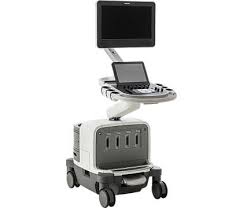
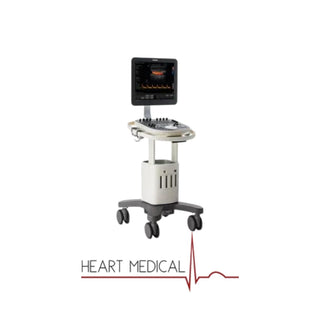
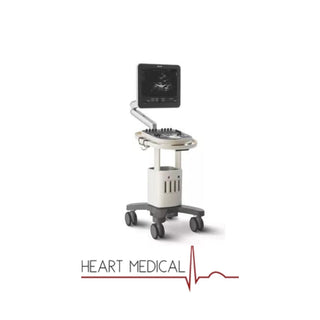
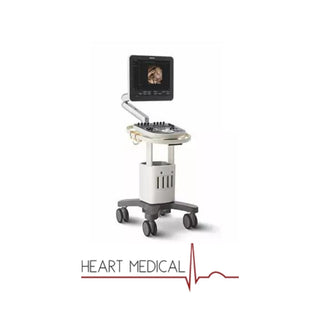
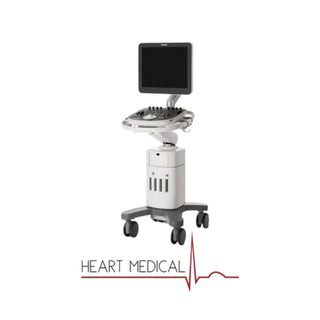
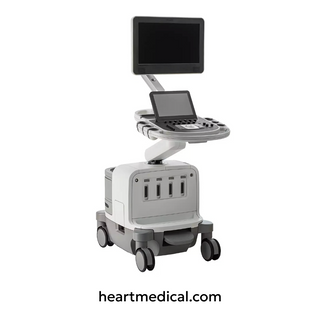
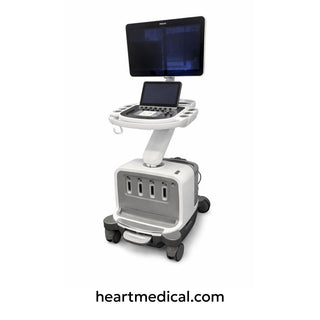
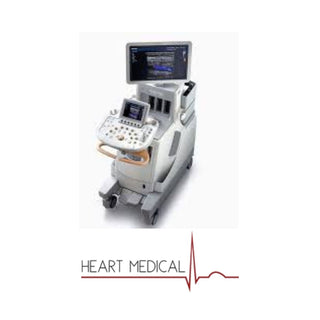
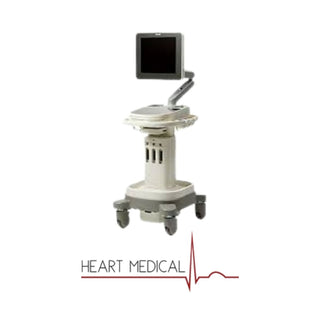
The healthcare industry is undergoing a revolution in diagnostics, where ultrasound technology is becoming the foundation for modern patient care. In a world with a high demand for fast, efficient, and accessible diagnostics, Philips stands at the pinnacle of ultrasound innovation.
Healthcare professionals benefit from enhanced imaging capabilities that provide unprecedented clarity and detail, while artificial intelligence integration streamlines workflows and improves diagnostic accuracy. The impact of these innovations extends beyond traditional hospital settings to remote healthcare facilities, enabling expert consultation and diagnosis regardless of geographical constraints.
The Core Benefits Of Philips Ultrasound Technology
 From advanced AI technologies to unmatched in-depth imaging clarity, Philips ultrasound systems combine powerful features to help healthcare professionals generate reports accurately. Their combination of cutting-edge technology with practical functionality makes such systems indispensable in modern medical facilities, providing unparalleled support to healthcare providers across specialties.
1. Remote Expertise Access
Geographic distance no longer limits access to specialty medical expertise. Philips Collaboration Live allows healthcare providers to access global networks of specialists whenever needed. Consider a community hospital miles from a referral center: The attending physician may quickly consult a specialist cardiologist hundreds of miles away, sharing images from an ultrasound and discussing diagnoses in real-time. This technological bridge transforms local healthcare capabilities, so patients receive expert-guided care regardless of location.
Behind the scenes, state-of-the-art encryption and security measures safeguard patient privacy while enabling swift consultations. This technological bridge transforms local healthcare capabilities, ensuring patients receive expert-guided care regardless of location. The platform revolutionizes medical education, allowing senior specialists to provide real-time guidance to less experienced colleagues. It creates a collaborative environment where expertise flows freely, and best practices are shared seamlessly across institutions.
2. Advanced Imaging Innovation
Philips' transducer technology has revolutionized medical imaging. These advanced devices capture intricate anatomical details with remarkable clarity, changing how healthcare providers visualize and diagnose conditions. Specialists performing detailed cardiac assessments or investigating complex vascular structures benefit from unprecedented image quality while thoughtfully designed ergonomics prevent fatigue during lengthy examination sessions.
This technology's applications range from routine examinations to complex diagnostic procedures. Cardiologists appreciate the enhanced visualization of heart valve function, while obstetric specialists appreciate crystal-clear fetal imaging. Its versatility extends to musculoskeletal examinations, where fine detail can make a difference in accurate diagnosis and treatment planning.
3. Portable Power
Modern healthcare requires flexibility, and the Philips Lumify handheld ultrasound system delivers on this score. With its military-grade design, this transportable powerhouse brings professional-grade imaging capabilities to the point of care. Emergency personnel depend on its strength and rapid operation when every second matters. For hospital workers, it also proves convenient for bedside assessments.
The system is resistant to field use while maintaining high image quality. Healthcare providers can quickly evaluate trauma patients, direct procedures, or provide initial screening without transferring patients to dedicated imaging departments. This ability is a lifesaver in emergency response situations or during patient transport.
4. Handheld Excellence
Philips' Lumify handheld ultrasound system exemplifies modern healthcare flexibility. Built to military-grade specifications, this portable powerhouse offers:
- Professional-grade imaging at the point of care
- Exceptional durability for field operations
- Swift operation for emergency response scenarios
- Convenient bedside assessment capabilities
- Seamless integration with hospital information systems
- Real-time sharing of diagnostic findings
- Intuitive controls for focused patient care
- 5. AI-Powered Workflow Enhancement
Artificial intelligence was once a buzzword in medical imaging, but it's a practical necessity nowadays. Philips' integration of AI capabilities has been thoughtful. Routine tasks get automated, yet healthcare professionals retain control over the clinical decisions, ensuring that human elements are maintained in patient care while streamlining workflows. From automation of measurements to intelligent image optimization, these capabilities enhance diagnostic confidence while reducing the complexity of operational activities.
Machine learning algorithms constantly learn from usage patterns to improve system performance. Real-time auto image optimization allows for the adjustment of settings for perfect quality, regardless of the operators or patient conditions. AI assistance is notably accurate on complicated measurements; parameters can be calculated in seconds while remaining precise. This predictive capability reduces examination time while ensuring thoroughness in diagnostic protocols.
6. Revolutionary Dual-Plane Imaging
Traditional ultrasound imaging limitations fade with the simultaneous dual-plane scanning capability of xMatrix technology. This technology fundamentally changes healthcare providers' imaging and understanding of anatomical structures. Specialists, particularly cardiologists, also benefit from simultaneously visualizing complex cardiac structures from different angles for better assessments and more informed decision-making regarding appropriate treatments.
The technology's thirteen scanning modes offer unprecedented flexibility in exploring complex anatomical structures. Real-time visualization of the orthogonal planes further helps the operators intuitively understand spatial relationships, hence conferring more confident diagnoses, especially in interventional procedures where a particular spatial awareness becomes relevant.
7. Advanced Vascular Visualization
MicroFlow Imaging technology elevates blood flow visualization through sophisticated processing and display capabilities. Here is how Philip’s MicroFlow imaging technology helps healthcare specialists:
- Detection of subtle vascular patterns with unprecedented clarity
- High-definition specialized applications for detailed examination
- Advanced artifact reduction for clean imaging
- Multiple display options for comprehensive analysis
- Real-time flow pattern visualization
- Enhanced sensitivity for early detection
- Comprehensive vascular mapping capabilities
The technology maintains exceptional frame rates while ensuring smooth visualization of dynamic flow patterns. Applications span from tumor vascularity assessment to peripheral vascular disease evaluation, supporting early detection and treatment monitoring.
8. Dimensional Depth in Vascular Assessment
Flow Viewer technology brings vascular imaging into sharp focus through advanced 3D visualization. The novel processing of Doppler signals creates vascular structures of exceptional clarity and minimal artifacts, which vascular specialists appreciate. They also appreciate how the technology performs across different imaging modes; the ability to apply these capabilities in real-time or post-processing makes them valuable add-ons to the clinical workflow.
The system offers multiple levels of visualization, thus allowing operators to optimize display parameters for different clinical scenarios. It also supports integration with other imaging modes, providing comprehensive vascular assessment capabilities from anatomical structure to flow dynamics. Real-time processing capabilities support immediate clinical decision-making, while post-processing options enable detailed analysis and documentation.
9. Future-Proofing Medical Investment
Healthcare technology must continuously keep pace to support peak performance, security, etc. Technology Maximizer tackles just that by continually updating ultrasound systems' software and modules to ensure current practice and keeping firm cybersecurity in those systems. This proactive approach to system maintenance helps healthcare facilities avoid unexpected downtime and budget surprises while keeping diagnostic capabilities sharp.
The program's predictable cost structure helps healthcare facilities plan their technology investments better. Updates on cybersecurity protect the integrity of patient information and the system, complying with changing healthcare regulations. Comprehensive support and training resources help healthcare providers get maximum value from system updates.
P.S. Advancing Healthcare Through Integration
 Philips ultrasound technology is not just about features but an entire approach to modern healthcare delivery. Every innovation is a building block of others, creating an ecosystem that enhances the ability to diagnose while streamlining clinical workflows. The powerful tools help healthcare providers make confident decisions while accelerating the pace and accuracy of patient diagnoses.
As diagnostic requirements become more intensive, these systems' adaptability and flexibility ensure that healthcare centers can always respond effectively to continuously changing challenges. They are positioned ahead of the technology curve in integrating AI, advanced imaging capabilities, and collaborative features with the changing trends in healthcare delivery.
Conclusion
Philips ultrasound technology embodies a transformative leap in diagnostic care, blending cutting-edge innovation with practical functionality to empower healthcare professionals across the globe. From AI-driven workflows to groundbreaking imaging technologies, Philips has created a dynamic ecosystem that addresses the evolving needs of modern medicine.
Whether it's enabling real-time collaboration between specialists, delivering precise imaging in remote settings, or streamlining clinical operations, these advancements redefine the standard of care. As healthcare systems face growing demands for accuracy, efficiency, and accessibility, Philips continues to set benchmarks, ensuring that medical professionals are equipped to deliver optimal outcomes.
Frequently Asked Questions
1. How does Philips’ AI technology enhance diagnostic workflows?
Philips integrates advanced artificial intelligence to automate routine tasks, optimize real-time image settings, and provide intelligent assistance during measurements. This streamlines workflows reduces examination time, and ensures consistent diagnostic accuracy while allowing healthcare professionals to focus on clinical decisions.
2. Can Philips ultrasound systems be used in remote or low-resource settings?
Yes, Philips offers portable solutions like the Lumify handheld ultrasound system, which is designed for flexibility and durability. These systems provide professional-grade imaging in remote locations, making them ideal for emergency medical care, rural healthcare facilities, and field operations.
3. What is Collaboration Live, and how does it benefit healthcare providers?
Collaboration Live is Philips' secure telemedicine platform that enables real-time consultations with remote specialists. It facilitates seamless image sharing, discussions, and decision-making, ensuring patients receive expert-guided care regardless of location. Its robust security measures protect patient data during these interactions.
4. How does xMatrix technology improve cardiac imaging?
xMatrix technology provides simultaneous dual-plane imaging, offering unprecedented clarity and detail for visualizing complex cardiac structures. This allows cardiologists to make more accurate assessments and informed decisions during interventional procedures, improving patient outcomes.
5. What makes Philips MicroFlow Imaging unique for vascular assessments?
Philips MicroFlow Imaging detects subtle vascular patterns with exceptional clarity, offering high-definition visualization of blood flow dynamics. It reduces artifacts, maintains high frame rates, and supports comprehensive vascular mapping, aiding in early diagnosis and effective treatment planning.
6. How does Philips Technology Maximizer ensure systems remain up-to-date?
Technology Maximizer is a proactive upgrade program that regularly updates ultrasound systems with the latest software and cybersecurity enhancements. This ensures compliance with evolving medical standards, reduces the risk of system obsolescence, and provides predictable budgeting for technology investments.
7. What applications benefit most from Philips’ advanced imaging innovations?
Philips’ advanced imaging technologies excel in a wide range of applications, including cardiology, obstetrics, vascular diagnostics, and musculoskeletal imaging. Specialists benefit from precise visualization of anatomical structures, enabling confident diagnoses and tailored treatment plans.
8. Are Philips ultrasound systems easy to integrate into existing healthcare infrastructure?
Yes, Philips ultrasound systems are designed with seamless integration capabilities. They connect effortlessly with hospital information systems, PACS, and cloud platforms, ensuring efficient data management, real-time sharing, and compatibility with clinical workflows.
9. How does Philips address ergonomic challenges for healthcare professionals?
Philips ultrasound systems feature ergonomic designs tailored to reduce operator fatigue during extended sessions. This includes lightweight transducers, adjustable control panels, and user-friendly interfaces that enhance comfort and usability for healthcare professionals.
10. What makes Philips Lumify unique among portable ultrasound systems?
Philips Lumify combines portability with robust performance, offering features like military-grade durability, real-time image sharing, and compatibility with mobile devices. It is ideal for emergency response teams and healthcare providers requiring bedside assessments or field operations without compromising on image quality.
Reviewed by Heart Medical Clinical Applications Team
Clinical and technical specialists ensuring accuracy and relevance across all Heart Medical content.
Related Products