Patient monitors are incredibly useful, enabling professionals to make accurate and immediate decisions based on the patient's health status. To better understand these systems, let's learn about the essential components, types, and their usage!
Patient Monitors - How to Read a Monitor in a Hospital?
Patient monitors comprise multiple biometric values and display measures that serve different purposes. The device can record and measure the patient's health conditions. By following the critical components, medical professionals can take practical measurements and implement treatments for those health conditions. But do you know how to read a monitor in a hospital?
The device is attached to the patient's body with information-containing sensors. The display monitor shows patient health records. Experts can read all the parameters directly on the screen. But what do the numbers mean on a hospital monitor? Here is a list of interpreted numbers that you see on this machine display:
Heart Rate:
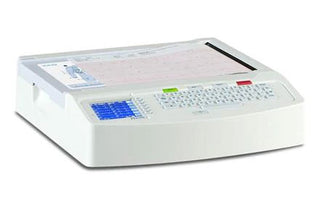
The heart rate is displayed on the screen at 60-100 beats per minute, similar to ECG or EKG machines.
Blood Pressure:
The patient's blood pressure is typically 120/80, which is an average BP ratio.
Oxygen Saturation:
This shows the amount of oxygen available in the patient's blood, usually ranging from 95 and higher.
Body Temperature:
Temperature is shown in either Celsius or Fahrenheit, typically ranging from 98°F to 100°F.
Respiratory Rate:
An average person typically breathes 12 to 16 times a minute, indicated in breaths per minute.
Components of Patient Monitors

Every device has different display functions and operational techniques. There are specific numbers of monitors in hospital. However, standard patient monitor devices have three general components which are:
1. Sensors:
PT monitors consist of unique sensor outputs that can capture patient pulse rates. The sensor captures information and passes it on to the capital equipment. The sensors are attached to every patient monitor device that can be connected to the body parts where experts require information. For example, the Spo2 sensor can detect the oxygen level in patient blood.
There is a massive difference between a cardiac monitor and a patient monitor. A cardiac monitor can only determine the heart rate; however, a patient monitor also observes the overall health conditions related to fluctuating heart rate. Thus, patient monitors have different sensors for different purposes.
2. User Access Portal:
The patient monitoring devices' user access portal will present the sensor data. This complex interconnected portal is attached to different connectors, sensors, printed circuit boards, wires and an LCD screen.
3. Software:
The user access portal and patient monitoring device use software to track patient records. While the device is essential, the software does the main thing by translating the information so medical professionals can understand the terms.
Major Types of Patient Monitors:
Typically, two broad types of patient monitors are found in the market. Let’s discuss both of them in detail and reveal their functions:
Bedside Patient Monitoring Systems:

Bedside patient monitoring machines usually refer to big-size patient monitoring systems. They are used in hospitals to monitor the health rate of patients in Emergency or intensive care rooms. These systems are also helpful for long-term patient monitoring, which prevents future complications and allows fast recovery.
Remote Patient Monitoring Systems:

Remote patient monitoring devices help monitor patient health signs outside the hospital. They work remotely anywhere around the world. They refer to home patient monitoring devices, which allow them to perform quick measurements outside the hospital. It also helps the patient track minor changes in their health, such as BP.
What are Patient Monitors Used For?
Patient monitors are almost available in every medical place. Some innovative patient monitor devices have wireless components that can be operated remotely. Some come up with touchscreens or intuitive software that allows smooth navigation. These latest technology devices enable health professionals to access patient data remotely. There are specific uses of this hospital monitor, which are:
- Advance recording of patient body temperature, blood pressure, respiratory ratio and heart rate.
- Record critical operations and show alarming signs of patient health that need immediate treatment.
- Easily manage and store the entire record of patients in a database for future use.
- Touchscreen provide flexibility of convenient monitoring.
- Detect any fluctuation in patient health records.
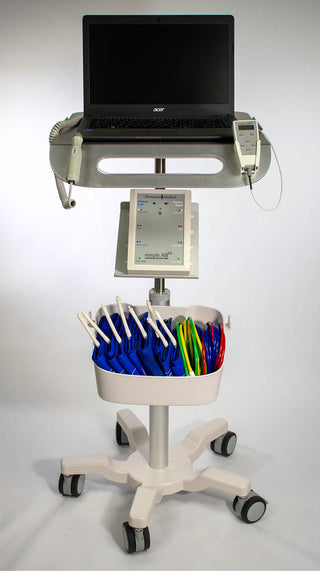
Remote patient monitors are used in small clinics and even homes. For example, glucose measuring devices are used for diabetic patients, which can be easily operated in homes and small clinics. Sphygmomanometers are also remote patient monitoring devices that can be used remotely anywhere to detect fluctuations in blood pressure.
You can buy high-quality, valuable and remote Medical Monitor Devices from Heart Medial.
Looking to Buy Patient Monitors Online?
Heart Medical is a veteran-owned, US-based company renowned for delivering top-notch healthcare equipment nationwide. Our extensive range of patient monitors is designed to cater to various medical needs, ensuring accurate and reliable readings for optimal patient care. Request a free quote for your product at Best Products for Cardiac Issues.
Conclusion:
The medical device industry continues to grow with the invention of new technology and tools in the health sector. One area of the health sector that has shown practical growth over the past few years is improved patient monitoring devices. Remote access to these devices allows medical professionals to operate them with ultimate flexibility and convenience.
Rapid advancements have made patient monitoring systems more portable, functional and intelligent. If you want an advanced medical-grade monitor, contact Heart Medical to get premium-quality Patient Monitor nationwide!
FAQ’s
What are patient monitors used for?
Patient monitors track and display patients' vital signs and health parameters. They help record blood pressure, heart rate, temperature and oxygen level. They are used in clinics, hospitals, emergency centers and operating rooms to monitor patient conditions.
Who uses patient monitors?
Doctors, medical professionals, and nurses use patient monitors to observe patients' health conditions closely. They can detect changes or abnormalities in the patient's health status and follow the best treatments.
What are the 7 Parameter patient monitors?
A 7-parameter patient monitor usually measures blood pressure, heart rate, respiratory rate, body temperature, blood flow, electrocardiogram (ECG), and oxygen supply. This type of machine provides detailed information about patients and their health status.
Reviewed by Heart Medical Clinical Applications Team
Clinical and technical specialists ensuring accuracy and relevance across all Heart Medical content.