Artificial intelligence is reshaping how we approach cardiovascular diagnostics. A major milestone came when Philips launched its ECG AI Marketplace. It's a platform designed to integrate advanced AI algorithms directly into its clinical ecosystem. At the center of this launch is Anumana AI, whose FDA-cleared Low Ejection Fraction (LEF) algorithm became the first certified third-party tool available on the marketplace.
It signals how leading med-tech innovators are embedding AI into everyday cardiology workflows. It helps clinicians detect hidden cardiac conditions earlier, streamline care, and ultimately improve outcomes.
Background: Anumana AI & the ECG-AI LEF Algorithm
Anumana AI is a Mayo Clinic spin-out specializing in artificial intelligence applied to the electrocardiogram (ECG). Its flagship solution, the ECG-AI LEF algorithm, is trained to detect low ejection fraction. It's a condition where the heart pumps blood less efficiently, often preceding heart failure.
Traditionally, diagnosing reduced ejection fraction required echocardiography or advanced imaging. These modalities are effective but resource-intensive, often resulting in delayed detection. Anumana AI’s solution takes a different path: by applying deep learning to standard 12-lead ECGs, it identifies subtle electrical patterns associated with reduced heart function.
The algorithm has undergone rigorous validation, including studies involving over 150,000 patients and nearly 100 peer-reviewed publications. In 2022, it received FDA clearance, establishing a foundation for clinical deployment. Now, its integration into Philips’ platform marks its first wide-scale distribution through a global med-tech ecosystem.
The Philips ECG AI Marketplace
Philips designed the ECG AI Marketplace as a secure, vendor-neutral hub where hospitals can access, evaluate, and deploy AI algorithms for cardiac diagnostics. Rather than requiring separate integrations or IT projects for each new AI tool, the marketplace provides a centralized framework.
Key features include:
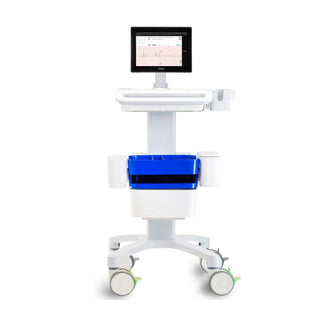
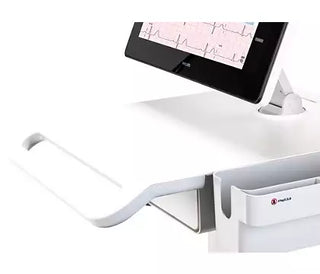
- Seamless integration with Philips ECG management systems like IntelliSpace ECG and PageWriter cardiographs.
- Simplified deployment that reduces IT burden for hospitals and clinics.
- Vendor collaboration allows multiple AI developers to bring validated tools into one ecosystem.
- Standardized compliance, ensuring algorithms meet regulatory and data-security requirements.
How Anumana AI’s LEF Fits Into the Philips ECG AI Marketplace
Where it runs. Anumana AI’s LEF model sits inside Philips’ ECG ecosystem and analyzes standard 12-lead resting ECGs. It returns a risk flag for possible low ejection fraction, which teams can route into existing review queues and cardiology workflows.
What changes for clinicians? Instead of ordering an echo only after symptoms escalate, clinicians can triage early from routine ECGs and escalate to imaging when the AI indicates elevated risk. That reduces missed cases and shortens time-to-diagnosis.
Integration touchpoints. Think of three layers: data capture, algorithm evaluation, and clinical action. Here’s a quick map:
| Layer | Philips Component | Anumana AI (LEF) | Outcome in Workflow |
|---|---|---|---|
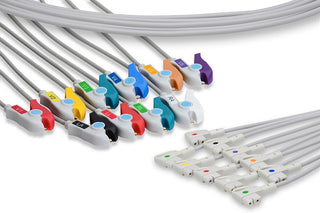
| Data Capture | Philips cardiographs / ECG carts | N/A | Acquire 12-lead resting ECG with standard protocols |
| ECG Management | IntelliSpace ECG or equivalent Philips ECG management | Receives ECG data via marketplace integration | Secure routing of ECGs into analysis pipeline |
| AI Evaluation | ECG AI Marketplace | Runs LEF model inference on eligible ECGs | Generates LEF risk score/flag for clinician review |
| Clinical Review | ECG viewer / reporting console | Displays AI output inline with ECG traces | Cardiologist/physician sees AI flag during normal read |
| Follow-up | Local EHR / order sets | N/A | Trigger echo or cardiology consult based on policy |
Clinical Workflow Impact: Before vs After AI-Assisted ECG
| Step | Before (Traditional) | After (With Anumana AI in Philips Ecosystem) | Expected Benefit |
|---|---|---|---|
| Initial Encounter | ECG captured; interpretation focuses on overt abnormalities | ECG captured; LEF AI runs in background | Zero extra clinician steps at capture |
| Risk Identification | Subclinical LEF often missed until symptomatic | AI flags elevated LEF risk on routine ECGs | Earlier suspicion of reduced EF |
| Follow-up Ordering | Echo ordered after symptoms or incidental findings | Echo prioritized when AI flag present | Faster escalation to imaging when warranted |
| Care Pathway | Variable; delays are common | Defined protocol for AI-flagged patients | More consistent clinical pathways |
| Population Impact | Cases emerge late; higher downstream costs | Earlier detection; potential reduction in acute events | Better outcomes, potential cost efficiency |
Conclusion
The launch of Philips’ ECG AI Marketplace with Anumana AI’s LEF algorithm as its first certified tool represents more than a partnership. It marks a shift in how cardiology is practiced. Artificial intelligence is no longer an experimental add-on but an embedded part of everyday diagnostics.
By turning a routine ECG into a window for detecting hidden heart failure, Anumana AI has opened a path toward earlier intervention and more consistent patient care. For hospitals, this means reduced reliance on symptoms alone, stronger clinical pathways, and the opportunity to standardize risk detection across entire populations.
Take the Next Step with Heart Medical
At Heart Medical, we follow advancements like Anumana AI and Philips’ ECG AI Marketplace because they reflect the future of cardiac care. Our mission is to keep clinics and hospitals equipped with the tools, supplies, and knowledge needed to deliver the highest standard of patient outcomes.
If your organization is exploring ECG solutions, ultrasound systems, or diagnostic accessories, our team can guide you toward the right equipment and support.
Contact Heart Medical today to learn how we can help strengthen your cardiac care capabilities.
Reviewed by Heart Medical Clinical Applications Team
Clinical and technical specialists ensuring accuracy and relevance across all Heart Medical content.