Multiple brands manufacture women's health ultrasound machines that come in different price ranges with varying specs and features. So, choosing the right ultrasound machine can be confusing. We have listed some features a good ultrasound machine for women's health should have, making it easier for you to pick the best one. Keep reading because we will guide you about machines using innovative technologies that offer advanced features.
Key Features of Women's Health Ultrasound Machines

The importance of ultrasound in women's health can be understood by looking at the key features these machines offer. Look for the following core features if you are trying to figure out how to choose the right ultrasound machine for women's health:
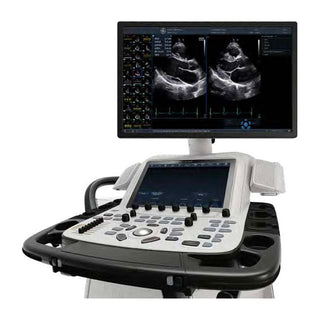
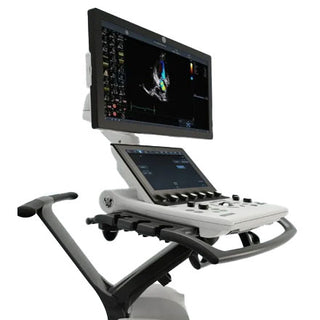
Advanced Imaging CapabilitiesThe quality of an ultrasound scan depends on the software and hardware of the machine. A good machine must give clear images of the organ under screening to allow accurate monitoring and diagnosis. An ideal example of a machine having advanced imaging capabilities would be GE Vivid T9 Cardiovascular Ultrasound. This is a cardiovascular ultrasound system that uses software to enhance cardiac imaging capabilities at an affordable price and user-friendly interface. Furthermore, this system comes with a 21.5” LCD monitor and a 10.1” high-resolution touch panel to give you further clear images.
B-Flow ImagingB-flow is an ultrasound imaging technique used for detailed visualization of blood flow in real time. B-flow can be used to visualize blood flow in even difficult-to-reach areas. It can be used to assess blood flow in the fetus which can be helpful in diagnosing conditions such as congenital heart defects
Almost all of our ultrasound machines have B-flow features. However, you can check out GE Logiq S8 Ultrasound for reference. If you are looking for women's health ultrasound machines, this can be a good choice as it offers the following features as well:
- Ability to produce a wide range of ultrasound images.
- Has application in many areas, including abdominal, cardiac, OB-GYN, and vascular.
- Compatible with over 10 varieties of transducers, including 3D/ 4D probes.
Usually, ultrasound machines work by producing high-frequency sound waves that penetrate the target area. These waves are bounced back and the computer forms an image based on them. However, high-resolution ultrasound is an advanced technology that uses virtual light sources that illuminate fetuses to form realistic images. This technology can form clear images having a resolution of up to 40 µm. High-resolution ultrasound can form images of the organs of the fetus and is ideal for detecting risks for abnormalities or genetic defects.
2D Imaging2D imaging is the most common feature in women's health ultrasound machines. The machine forms a 2 dimensional or flat black-and-white image of organs. It is commonly used in examining fetal growth and its internal organs. It is also used in examining organs, such as the liver, kidneys, and uterus. 2D ultrasounds are useful in guiding procedures like biopsies or needle placements as well. However, this technology forms a blurry image and does not provide a complete picture, so people have started preferring 3D and 4D ultrasounds.
3D and 4D ImagingIn 3D ultrasound, the system captures multiple 2D images from various angles and forms a three-dimensional image. 3D is helpful as it forms a clearer and more detailed image. In the case of a fetus, you can view its facial features, hands, and feet in greater detail. This technology also allows you to diagnose facial defects in the fetus, such as cleft palates. It also helps with clearly examining the baby's skeletal structure and organs like the heart.
In 4D imaging, the ultrasound system captures a series of 3D images rapidly, to create a real-time video of the baby moving in the womb. This technology allows you to examine organ health better as it forms detailed images, such as you can even view pictures of the heart valves. 4D imaging is an essential feature in women's health ultrasound machines as it allows you to bond with your baby better. You can check out GE Voluson E8, it is an ultrasound system that forms HD live high-resolution 4D images and videos that can be exported in various formats.
Doppler Ultrasound
Doppler ultrasound is a procedure where the machine measures blood flow in the vessels. It is mainly used to diagnose problems related to the heart health and the vessels. Doppler ultrasound can be used to detect conditions, such as blood clots, blocked arteries, and defects in the heart. Ultrasound machines offer an alternative to invasive procedures like angiography.
High-Frequency Transducer
A high-frequency transducer is a probe that emits and receives sound waves of higher frequency to form high-resolution images. However, these sound waves don't penetrate deeper so they are effective only for visualizing structures close to the surface of the body. This feature must be present in women's health ultrasound machines to examine structures like breasts, thyroid glands, and superficial blood vessels.
Installed Cybersecurity FeaturesCybersecurity feature is often overlooked when it comes to ultrasound machines. However, a good ultrasound system must be protected against data breaches and cyber threats. This feature allows hospitals to protect clients' health data and makes them HIPAA compliant (a regulatory standard that demands healthcare organizations protect customer's health information). Check out GE Logiq P10 Ultrasound as it provides access to data management, cybersecurity, and educational resources. This system is suitable for various studies including OBGYN, cardiac, breast, liver, vascular, musculoskeletal, thyroid, urological, and pediatrics
Types of Women's Health Ultrasound Machines
Following are the two main types of ultrasound machines based on their structures:
Cart-Based Ultrasound MachinesCart-based ultrasound machines are traditional systems mounted on a cart. They are large, use powerful processors, and offer more features such as doppler imaging, and elastography. These ultrasounds are typically used in hospitals and clinics.
Portable Ultrasound MachinesPortable ultrasound machines are smaller and lighter compared to cart-based systems. They are easier to carry as their name suggests, making them ideal for use in point-of-care settings like emergency rooms, patient's bedside, and small spaces. Clinicians can even carry these machines with them. An example of such a system is GE Logiq e R8 Portable Ultrasound. This machine is a laptop-like ultrasound system that produces crystal-clear images.
Applications of Ultrasound in Women's Health
The common uses of ultrasound in women’s health include monitoring different stages of pregnancy, determining the growth and position of the fetus, and diagnosing possible problems in the baby before birth. It is a non-invasive method to determine causes of infertility and health issues related to female reproductive organs. Ultrasound systems are also widely used in the assessment of parts, such as the breast, cardiovascular system, muscles, and abdomen. However, the examination is not the only use of ultrasound machines, they are used to heal various conditions as well, like treating musculoskeletal issues.
To raise women's health awareness, we have listed some key applications of ultrasound machines.
Obstetric Ultrasound
Obstetric ultrasound is used to form pictures of the developing baby to monitor its health and growth. It is also used to determine the stage of pregnancy, check the position of the placenta, diagnose issues in the fetus, and confirm the number of fetuses (twins, triplets, etc.).
Gynecological Ultrasound
Pelvic/gynecological ultrasound is used to check the health of female reproductive organs and diagnose possible issues. Two types of gynecological ultrasounds are performed: transabdominal ultrasound and transvaginal ultrasound.
During a transabdominal ultrasound, the probe is placed on the abdomen to create images of the reproductive organs. In a transvaginal ultrasound, the probe is inserted into the vagina to form detailed images of the uterus and ovaries.
Cardiac Ultrasound
Cardiac ultrasound is known as an echocardiogram. It is a non-invasive process to visualize the heart's chambers, valves, and surrounding tissues. It allows doctors to see the size, shape, and movement of your heart in real time. Using Doppler techniques, cardiac ultrasound also shows the blood flow in the body and detects any blockages in the vessels.
You can check out Philips Affiniti CVx Ultrasound, it's an ultrasound system designed specifically for cardiology. This system offers advanced cardiac diagnostic features, exceptional pediatric imaging capabilities, vascular assessment solutions along many other features.
Breast Ultrasound
Breast ultrasound is used to examine breasts to see if there are problems. It is also used to check if the blood flow is normal. It is advisable to use breast ultrasound because the machine does not emit radiation, making it a safer choice. If a mammogram shows certain areas unclearly, you can get better imaging in ultrasound. It is also useful for regular screening tests if you have thicker breast tissues.
Abdominal Ultrasound
Abdominal ultrasound is performed to examine organs in your abdomen such as the liver, spleen, stomach, gallbladder, kidneys, and the associated blood vessels. This ultrasound is useful in detecting health conditions of the abdominal organs including liver cancer, kidney stones, bladder stones, fatty liver disease, etc. Healthcare practitioners can make accurate diagnoses based on the scans and suggest suitable treatments.
Ultrasound Therapy
Ultrasound machines are not only used for imaging but it has therapeutic applications. Ultrasound enhances blood flow in the exposed tissue and gives pain relief in that area. Among the many benefits of ultrasound therapy, we have listed some conditions you can use it for:
- Reducing Inflammation
- Managing arthritis pain
- Relieving scar tissue pain
- Relieving tension in the musculoskeletal tissues
Conclusion
FAQs
How to get clear ultrasound pictures?
How to evaluate an ultrasound machine?
You can evaluate the performance of an ultrasound machine by visual inspection of its components. Check out the performance of the display monitor, uniformity of the image, contrast resolution, depth of visualization, and geometrical accuracy.
What is the best brand of ultrasound?
Philips, Siemens, and GE are some popular brands of ultrasound machines.
Reviewed by Heart Medical Clinical Applications Team
Clinical and technical specialists ensuring accuracy and relevance across all Heart Medical content.