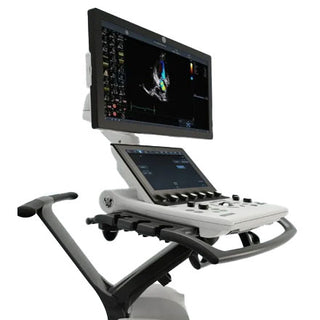
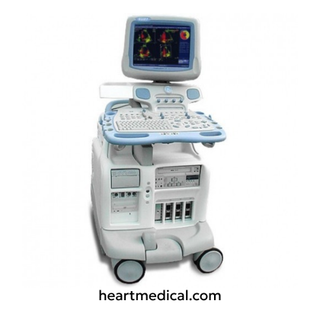
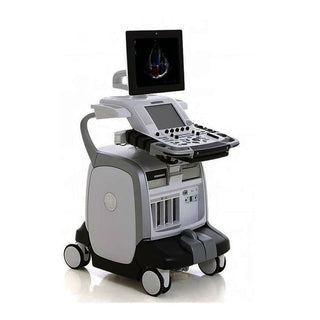
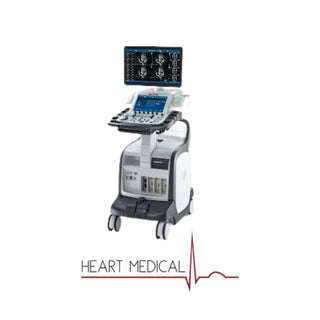
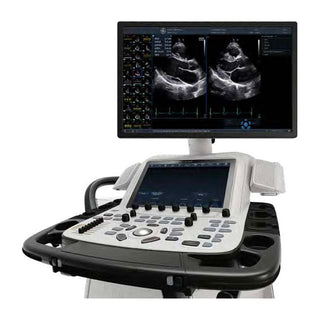
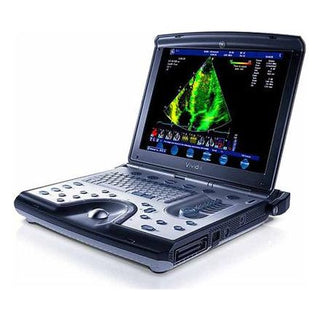
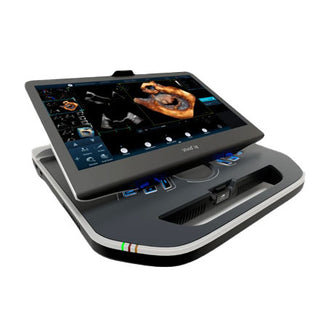
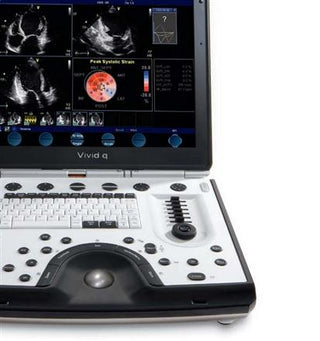
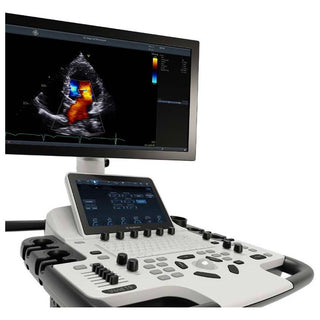
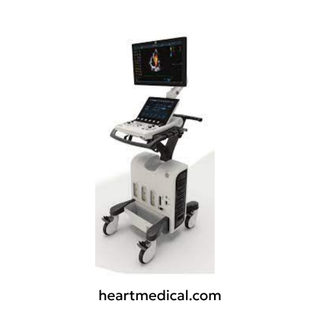
In this detailed review of GE Vivid S70, we’ll cover its key features, probe options for cardiac applications, pros & cons, and compare it with other ultrasound machines. By the end, you’ll have all the information you need to decide if the Vivid S70 is the right choice for you.
Overview of the GE Vivid S70
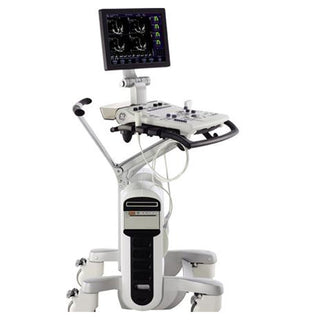
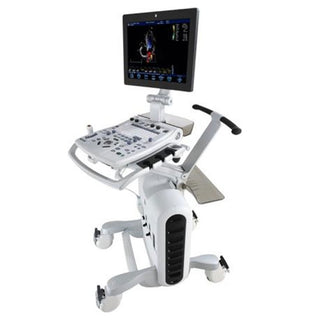
The GE Vivid S70 is a high-quality cardiac ultrasound machine designed to make heart imaging clear and efficient. It’s mainly known for its sharp visuals, fast performance, and easy-to-use technology, making it a great choice for healthcare settings.

One of the best things about the Vivid S70 is its advanced imaging technology, which helps capture detailed heart and vascular images for accurate diagnoses.
Plus, it’s lightweight and easy to move, so it works well in both busy hospitals and private clinics. If you need a reliable and efficient ultrasound system for cardiology, the Vivid S70 is definitely worth considering.
Key Features of the GE Vivid S70
The GE Vivid S70 comes with a wide range of features to make cardiac ultrasound as accurate as possible. Here’s what makes it stand out.
1. XDclear™ Imaging Technology
This technology helps create sharper and more detailed images, making it easier to see the heart and blood vessels clearly.
2. AI-Powered Automation
The system uses AI to speed up measurements and analysis, reducing manual work and saving time during exams.
3. Lightweight and Portable Design
It’s easy to move between rooms, which is great for busy hospitals and clinics that need flexibility.
4. Advanced Doppler Features
Doppler imaging helps measure blood flow and heart function with high accuracy, making diagnoses more reliable.
5. Real-Time 4D Imaging
This feature gives a live, moving view of the heart, helping cardiologists see how it functions in real-time.
6. Transesophageal Echocardiography (TEE) Support
The Vivid S70 works with TEE probes, allowing for detailed heart imaging from inside the esophagus.
7. Stress Echocardiography
It’s designed for stress echo tests, which help evaluate heart function under physical stress.
8. Customizable Settings
You can adjust the settings to fit your specific needs, making exams smoother and more efficient.
9. User-Friendly Interface
The touchscreen and simple controls make it easy to use, even for those new to the system.
10. Efficient Workflow Features
With automated tools and fast processing, the Vivid S70 helps reduce scan times and improve efficiency.
Cardiac Applications and Uses
Here are the top five cardiac applications where the GE Vivid S70 stands out:

1. Adult & Pediatric Echocardiography
Whether you’re scanning an adult or a child, the Vivid S70 delivers the same quality of heart images. Its advanced probes capture even the smallest heart structures, making it easier to diagnose conditions.
2. Transesophageal Echocardiography (TEE)
The Vivid S70 supports TEE imaging which allows doctors to get a detailed view of the heart up close. It helps them get closer to the heart by using a probe that goes down the esophagus, providing sharp and accurate imaging.
3. Stress Echocardiography
The system is designed for stress echo tests, which show how the heart functions under physical stress. With fast image processing and automation, it makes stress tests smoother and more efficient
4. Pediatric & Neonatal Cardiology
Babies and children have smaller, faster-beating hearts, which can be tricky to scan. The Vivid S70 has high-frequency probes that capture detailed heart images, helping doctors diagnose congenital heart issues early.
5. Vascular & Blood Flow Imaging for Cardiology
Understanding how blood moves through the heart and vessels is key to diagnosing heart disease. The Vivid S70’s Doppler imaging provides precise blood flow measurements, helping doctors detect blockages, valve issues, and circulation problems.
Types of Probes for Cardiac Applications
The GE Vivid S70 supports a range of probes designed for different cardiac imaging needs. Here’s a breakdown of the key probes and how they help in cardiac ultrasound.
1. Phased Array Probe
Phased array probes are commonly used in echocardiography. They provide deep penetration and excellent image resolution, making them ideal for adult, pediatric, and neonatal heart imaging.
-
M5Sc-D (Premium Cardiac Probe)
- High-resolution imaging with excellent clarity.
- Ideal for adult cardiac imaging.
- Lightweight and ergonomic for comfortable scanning.

-
6S-D (Pediatric & Neonatal Cardiac Probe)
- Designed for pediatric and neonatal heart imaging.
- Provides clear images of small hearts with high sensitivity.
- Helps detect congenital heart conditions early.

-
12S-D (Advanced Pediatric & Small Heart Imaging Probe
- Higher frequency for even more detailed imaging.
- Best for small heart structures in infants and young children.
- Helps with complex pediatric cardiac assessments.

2. Transesophageal Probes (TEE)
TEE probes are inserted through the esophagus to get closer to the heart. This allows for clearer images, especially in cases where traditional transthoracic echocardiography (TTE) doesn’t provide enough detail.
-
6VT-D (Standard Adult TEE Probe)
- Delivers high-quality images for detailed cardiac assessments.
- Used for routine transesophageal echocardiography in adults.
- Ideal for detecting valve diseases and other structural abnormalities.

-
6Tc-RS (High-Performance Adult TEE Probe)
- Enhanced image quality with advanced Doppler capabilities.
- Best for complex cardiac evaluations and surgical guidance.
- More comfortable design for better patient experience.

-
9T-RS (Pediatric TEE Probe)
- Specially designed for pediatric transesophageal echocardiography.
- Smaller probe size for infants and young children.
- Helps with diagnosing congenital heart diseases.

3. Doppler Probe
Doppler probes are used to measure blood flow within the heart and vessels, helping detect abnormalities like blockages or valve issues.
- P2D (Continuous Wave Doppler Probe)
-
Measures high-velocity blood flow with precision.
-
Ideal for detecting stenosis (narrowed blood vessels) and valve diseases.
-
Works alongside other probes for a complete cardiac evaluation.

Comparison with other Cardiac Ultrasound Machines
Choosing the right cardiac ultrasound machine can be tough, especially with so many options out there. To make things easier, here’s how the GE Vivid S70 compares to other top machines in the market.
1. GE Vivid S70 vs. GE Vivid E95
The Vivid E95 is a step up from the Vivid S70 in terms of processing power and image quality. It offers:
- Higher-resolution imaging for more detailed cardiac assessments.
- Faster processing speeds, thanks to its more advanced hardware.
- More AI automation tools to assist with complex evaluations.
However, the E95 is larger, less portable, and more expensive, making it better suited for hospitals and specialized cardiology labs.
When to choose:
- Vivid E95 – If you need the best image quality and can accommodate a larger system.
- Vivid S70 – If you prefer a more mobile and cost-effective solution.
2. GE Vivid S70 vs. Philips Epiq CVx
The Philips Epiq CVx stands out for its 3D/4D imaging capabilities, making it a strong choice for clinics that rely on advanced cardiac visualization. It also includes:
- AI-powered cardiac quantification for precise measurements.
-
Superior imaging depth for complex heart conditions.
However, it’s larger, less portable, and significantly more expensive than the Vivid S70.
When to choose:
- Philips Epiq CVx – If you need cutting-edge 3D/4D imaging for in-depth cardiac evaluations.
- Vivid S70 – If you want a reliable, high-quality 2D imaging system that’s easier to move and use.
3. GE Vivid S70 vs. Siemens Acuson SC2000
The Siemens Acuson SC2000 is known for its real-time 3D imaging, making it ideal for detailed cardiac assessments, including transesophageal echocardiography (TEE). Key advantages include:
- Live 3D visualization for more precise cardiac imaging.
-
Specialized TEE capabilities, beneficial for advanced cardiac procedures.
However, it’s bulkier, more complex to use, and costs more compared to the Vivid S70.
When to choose:
- Siemens Acuson SC2000 – If you need real-time 3D imaging for high-end cardiac diagnostics.
- Vivid S70 – If you need a practical, easy-to-use system for general cardiac imaging.
Pros and Cons of the GE Vivid S70
Pros:
- Supports various probes for different cardiac and vascular applications.
- The intuitive interface and adjustable touchscreen make it easy to use.
- Features like Auto EF, Auto LVQ, and Scan Assistant help streamline workflows and improve efficiency.
- Lightweight design and battery operation allow for easy mobility between rooms or facilities.
Cons:
- As a premium system, it comes with a higher cost, which may not fit smaller clinics’ budgets.
- While the interface is user-friendly, some advanced features may take time for beginners to master.
- Although it supports other applications, it’s primarily built for cardiology, so it may not be the best fit for general ultrasound needs.
Who Should Buy the GE Vivid S70
The GE Vivid S70 is a great choice for anyone looking for high-quality cardiac imaging without the bulk and cost of high-end systems like the E95. It’s built for cardiologists, clinics, and hospitals that need a portable, reliable, and efficient ultrasound machine for daily use.

You should consider the Vivid S70 if:
- You need crystal-clear 2D cardiac imaging for accurate diagnoses.
- You want a system that’s easy to use, with AI tools that simplify workflows.
- Portability matters—you need to move the machine between rooms or locations.
- You want a cost-effective alternative to premium machines without sacrificing quality.
Where to Buy the GE Vivid S70
Heart Medical offers a trusted and hassle-free way to buy the GE Vivid S70. With competitive pricing, expert guidance, and reliable customer support, they make the buying process smooth and stress-free.
Frequently Asked Questions
How easy is it to set up and use the GE Vivid S70?
The GE Vivid S70 is designed to be user-friendly, with an intuitive touchscreen interface. The system is simple to set up, and its AI-driven automation makes it easier to obtain high-quality images with minimal effort.
Is the GE Vivid S70 affordable?
Yes, while it’s a premium model, it’s more affordable than other high-end ultrasound machines, like the GE Vivid E95.
Does the GE Vivid S70 support 3D/4D imaging?
No, the GE Vivid S70 focuses on delivering exceptional 2D cardiac imaging. If you need advanced 3D/4D imaging, models like the Philips Epiq CVx or GE Vivid E95 might be better suited to your needs.
How long does the battery last on the GE Vivid S70?
The GE Vivid S70 comes with a battery option for mobile scanning, allowing for up to 2 hours of continuous use. This makes it highly suitable for clinics and practices that need a portable solution.
How does the GE Vivid S70 compare to portable handheld ultrasound devices?
While it’s portable, it's not as compact as handheld devices, but it offers more advanced capabilities for detailed cardiac assessments.
Get Your GE Vivid S70 Ultrasound Machine Today
At Heart Medical, we are authorized resellers of GE Healthcare equipment, ensuring you receive genuine products with full manufacturer support. We offer nationwide delivery, and every machine comes complete with all necessary parts and replacement options. Trust us for a seamless experience. Your reliable partner in advanced medical imaging!
Reviewed by Heart Medical Clinical Applications Team
Clinical and technical specialists ensuring accuracy and relevance across all Heart Medical content.
Related Products