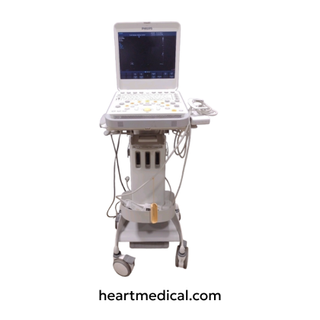
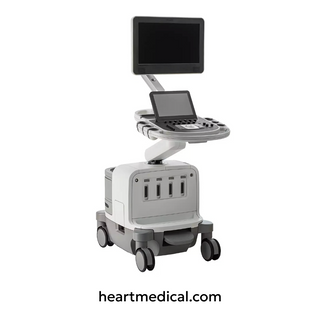
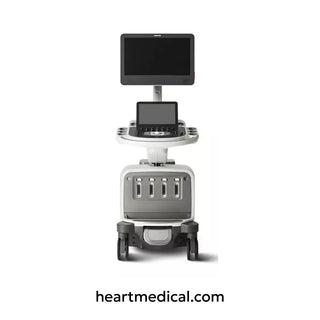
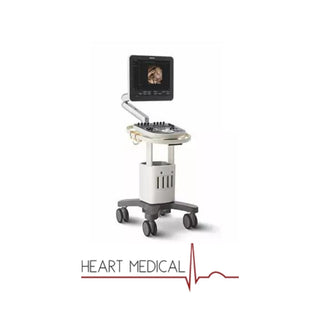
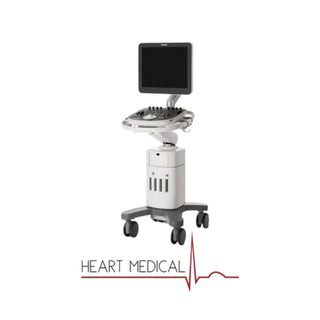
Is the Philips CX50 still the gold standard in portable ultrasound, or have competitors caught up?
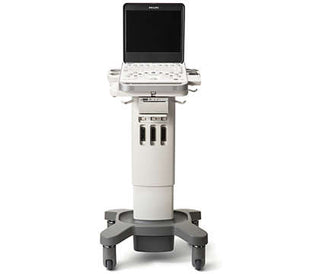
Since its release in 2008, the Philips CX50 has been a trusted name in portable cardiovascular imaging, setting a benchmark for performance and portability. Even now, it remains a go-to choice for cardiologists, emergency teams, and rural healthcare providers.
However, newer, more affordable machines are challenging its dominance. These alternatives promise decent image quality at lower costs, appealing to budget-conscious practices.
Despite this, the CX50 continues to shine due to its proven track record and cutting-edge technologies. Whether used in intensive care units, operating rooms, or remote clinics, it excels at delivering consistent results.
In this Philips CX50 review, we’ll explore why this machine stands out and whether it still deserves its reputation as the gold standard in portable ultrasound systems.
Key Features and Innovations of the Philips CX50

What makes the CX50 CompactXtreme a revolutionary force in portable ultrasound? Let’s explore the cutting-edge technologies that set it apart from the competition.
PureWave Crystal Technology
The PureWave transducers are a game-changer in ultrasound imaging, designed to provide exceptional resolution and deep tissue penetration. Unlike conventional probes, these single-crystal transducers have nearly perfect uniformity, allowing for better acoustic transmission, higher efficiency, and reduced image distortion.
- Enhanced Penetration – Ideal for imaging obese and technically difficult patients, ensuring clear visualization even at greater depths.
- Superior Tissue Detail – Delivers sharper ventricular walls in cardiac studies, improves vascular imaging, and enhances soft tissue differentiation.
- Doppler Precision – Provides twice the efficiency of standard transducers, improving blood flow assessments in vascular and cardiac applications.
QLAB Advanced Quantification
The QLAB software suite transforms ultrasound analysis with automated, high-precision measurement tools, making complex assessments effortless.
- Strain Quantification (SQ) – Tracks myocardial movement to detect early cardiac dysfunction.
- MicroVascular Imaging (MVI) – Visualizes slow, small-vessel blood flow that traditional Doppler may miss.
- 3D Quantification (3DQ) – Enables detailed cardiac volume measurements without geometric assumptions
- Auto-Adjustments – Automatically optimizes images and Doppler settings for faster, more accurate results.
For cardiologists, vascular specialists, and general practitioners, QLAB eliminates manual guesswork, accelerates workflows, and enhances diagnostic confidence.
SmartExam Protocols
Efficiency is at the heart of the SmartExam Protocols, which can reduce scan time by up to 50%.
- Step-by-Step Guidance – Displays on-screen instructions, ensuring complete and standardized exams.
- Automated Annotations – Labels key anatomical structures instantly, reducing the need for manual input.
- Consistent Imaging – Ensures uniformity across patient studies, improving workflow and diagnostic accuracy.
SmartExam isn’t just about speed—it minimizes operator variability, prevents missed views, and improves patient throughput in high-demand settings.
SonoCT & Adaptive XRES
SonoCT real-time compound imaging eliminates artifacts by capturing multiple ultrasound angles and merging them into a single high-definition image.
- Nine Angles in One Scan – Merges multiple views in real time, removing speckle noise and enhancing contrast.
- Edge Definition and Clarity – The Adaptive XRES image processing further reduces speckle and enhances tissue borders for ultra-sharp detail.
- Diagnostic Confidence – Especially valuable for cardiac, vascular, abdominal, musculoskeletal, and OB/GYN imaging.
With SonoCT and XRES working in tandem, even the subtlest tissue structures become distinctly visible, improving early disease detection.
Digital Broadband Beamforming
The CX50 is one of the few compact ultrasound systems featuring a broadband digital beamformer, a technology typically reserved for full-sized, premium ultrasound machines.
- Captures the Full Tissue Signature – Retains fine anatomical details that conventional systems often lose.
- High-Resolution Imaging on a Small System – Performs at the level of a cart-based system in a laptop-sized design.
This ensures that every scan delivers maximum image fidelity, even in challenging environments.
Extreme Portability
Designed for mobility, the CX50 adapts seamlessly to any clinical setting.
- Multiple Transport Options – Use it on a cart, carry it by hand, or transport it in a travel case for fieldwork.
- Wireless and DICOM Connectivity – Send images instantly to PACS systems via secure wired or wireless networks.
- Fast Boot-Up and Battery Backup – Get the system running in seconds, ideal for emergency and critical care scenarios.
From ICUs and ERs to remote locations and battlefield medicine, the CX50 delivers premium imaging anywhere.
Security & Data Protection
Philips understands the importance of data security and system integrity in today's healthcare settings.
- Defense-in-Depth Security – Five-layer protection, including firewall, malware defense, data encryption, and access controls.
- ISSL Technology – Meets global privacy standards, ensuring patient data remains protected.
- Remote Monitoring and Proactive Maintenance – Philips predicts potential issues before they cause system downtime, keeping your CX50 running without interruptions.
With enterprise-grade security, the CX50 is designed for compliance with modern healthcare IT standards.
Probes and Their Compatibilities

Selecting the right transducer is essential for optimizing imaging quality, and the Philips CX50 Ultrasound System offers a wide range of options to meet diverse clinical needs.
The PureWave and Single Crystal transducers stand out for their ability to provide reliable penetration and resolution. These probes are designed to handle challenging patients and deliver clear, detailed images, making them indispensable for precise diagnostics.
Whether you’re performing cardiac, vascular, or abdominal imaging, choosing the correct probe ensures optimal results and maximizes the system’s versatility.
Compatible Probes and their Applications
The CX50 supports a full range of transducers, each designed for specific imaging needs, from deep cardiac assessments to detailed superficial scans. Below is a detailed overview of compatible probes, their features, and clinical applications.
|
Probe Model |
Type |
Frequency Range (MHz) |
Primary Applications |
|
S5-1 |
Sector Array (PureWave) |
5 – 1 |
Adult Cardiac, General Abdominal, Transcranial Doppler (TCD), Contrast Imaging (LVO) |
|
S8-3 |
Sector Array |
8 – 3 |
Pediatric and Small Adult Cardiac, Pediatric Abdominal Imaging |
|
S12-4 |
Sector Array |
12 – 4 |
Pediatric and Neonatal Cardiac, Pediatric Abdominal, Neonatal Head Imaging |
|
X7-2t |
xMATRIX TEE (PureWave) |
7 – 2 |
Adult Transesophageal Echocardiography (TEE), 3D Cardiac Imaging |
|
C5-1 |
Curved Array (PureWave) |
5 – 1 |
General Abdominal, OB/GYN, Interventional, Acute Care |
|
C8-5 |
Curved Array |
8 – 5 |
Pediatric and Vascular Imaging, Abdominal Applications |
|
C10-3v |
Curved Array (PureWave) |
10 – 3 |
Endovaginal Imaging, Obstetrics & Gynecology |
|
C9-3io |
Curved Array |
9 – 3 |
General Abdominal Surgery, Contrast-Enhanced Ultrasound, Interventional Imaging |
|
L12-3 |
Linear Array |
12 – 3 |
Vascular, Small Parts, MSK, Regional Anesthesia, Acute Care |
|
L12-5 50mm |
Linear Array |
12 – 5 |
Breast, Thyroid, Superficial Small Parts, Musculoskeletal Tendons |
|
L15-7io |
Compact Linear Array |
15 – 7 |
Superficial Vascular, MSK, Small Parts Imaging |
|
L10-4lap |
Linear Array |
10 – 4 |
Laparoscopic Applications, General Abdominal, Interventional Procedures |
|
D2cwc |
Continuous Wave Doppler |
2 |
Adult Cardiac Doppler (Pedoff) |
|
D5cwc |
Continuous Wave Doppler |
5 |
Deep Venous and Arterial Doppler Imaging |
Detailed Probe Usage and Features
Cardiac Imaging
- S5-1: A high-penetration sector array probe used for adult transthoracic echocardiography (TTE), transcranial Doppler (TCD), and left ventricular opacification (LVO) contrast imaging.
- S8-3: A pediatric cardiac sector array probe designed for small adult and pediatric echocardiography, ensuring clear visualization of heart chambers and valve function.
- S12-4: A high-frequency pediatric and neonatal cardiac probe, offering superior resolution for neonatal head, pediatric cardiac, and abdominal applications.
- X7-2t: A xMATRIX transesophageal echocardiography (TEE) probe that provides Live 3D and real-time volume imaging for detailed cardiac structure assessment.
Abdominal & OB/GYN Imaging
- C5-1: A wide-bandwidth curved array probe optimized for general abdominal, OB/GYN, interventional, and acute care imaging.
- C8-5: A high-resolution curved array transducer perfect for pediatric abdominal and vascular imaging, offering excellent penetration.
- C10-3v: A PureWave curved endovaginal probe tailored for obstetric and gynecological imaging, ensuring detailed uterine and ovarian assessments.
- C9-3io: A surgical curved array probe with contrast-enhanced imaging capabilities, used for general abdominal surgery and interventional applications.
Vascular & Small Parts Imaging
- L12-3: A high-resolution linear array probe widely used for vascular studies, musculoskeletal imaging, small parts (thyroid, breast), and regional anesthesia.
- L12-5 50mm: A wide-aperture linear array that provides enhanced detail for breast, thyroid, and superficial musculoskeletal imaging.
- L15-7io: A compact, high-frequency probe optimized for small parts, vascular access, and MSK imaging, offering exceptional resolution.
- L10-4lap: A laparoscopic linear array used in minimally invasive abdominal and interventional procedures, providing a long, ergonomic design for improved surgical access.
Continuous Wave Doppler Probes (Non-Imaging)
- D2cwc & D5cwc: Dedicated CW Doppler transducers for deep venous and arterial applications, ensuring precise blood flow velocity measurements.
Enhanced Workflow with Probe Compatibility
- Multiport Adapter – The CX50 allows up to three transducers to be connected simultaneously, reducing the need to switch probes manually during procedures.
- Automated Optimization – The system detects probe types and applies preset imaging parameters to minimize setup time.
- Seamless Integration – Compatible with contrast imaging, Doppler, 2D, 3D, and real-time 3D applications, making it a versatile solution for different clinical settings.
CX50 Current Applications and Use Cases
The Philips CX50 CompactXtreme ultrasound system is a high-performance, portable imaging solution designed for cardiovascular, vascular, abdominal, point-of-care, and interventional applications. With advanced imaging modes, premium transducer technology, and workflow optimization tools, the CX50 ensures accurate diagnostics across various clinical settings.
Cardiovascular Imaging – Advanced Diagnostics for the Heart
The CX50 excels in echocardiography, delivering high-resolution cardiac imaging with exceptional penetration and Doppler performance. It is widely used for:
-
Transthoracic Echocardiography (TTE) – Provides detailed visualization of ventricular walls, heart valves, and blood flow dynamics, enabling precise diagnosis of heart failure, valve diseases, and cardiomyopathies.
-
Transesophageal Echocardiography (TEE) with Live 3D/4D Imaging – The X7-2t xMATRIX TEE transducer supports Live 3D imaging, essential for pre-surgical planning and intraoperative cardiac assessments.
- Stress Echocardiography – The CX50’s automated stress echo protocols ensure standardized imaging during exercise and pharmacological stress tests, aiding in the detection of ischemia and coronary artery disease.
-
Pediatric & Neonatal Cardiology – The S8-3 and S12-4 transducers provide high-resolution imaging for evaluating congenital heart defects and structural anomalies in pediatric and neonatal patients.
-
Strain Quantification (SQ) & Cardiac Motion Analysis – QLAB software’s CMQ plug-in enables detailed myocardial strain and deformation analysis, detecting subtle cardiac dysfunctions not visible in standard echocardiography.
- MicroVascular Imaging (MVI) – Enhances small vessel visualization, helping cardiologists assess microvascular disease, coronary perfusion, and myocardial ischemia.
Why It Matters
Cardiologists rely on the CX50 for early detection of heart disease, pre- and post-operative assessments, and real-time intraoperative monitoring.
Vascular and Abdominal Imaging – Precision in Surgical and Diagnostic Settings
The CX50 is a powerful tool for vascular and abdominal assessments, providing exceptional image clarity for evaluating blood flow, soft tissues, and organs.
-
Carotid Artery & Peripheral Vascular Assessment – The L12-3 and L12-5 50mm linear transducers offer detailed imaging of carotid arteries, deep veins, and peripheral arteries, detecting plaques, stenosis, and vascular occlusions.
-
Doppler & Color Flow Analysis – Advanced Doppler modes, including Pulsed Wave, Continuous Wave, and Color Power Angio (CPA) imaging, allow precise blood flow measurement and detection of turbulence.
- Intima-Media Thickness (IMT) Analysis – Helps assess early signs of atherosclerosis in vascular patients.
Abdominal Imaging
-
Liver, Gallbladder, & Kidney Evaluations – The C5-1 and C8-5 transducers provide deep penetration for hepatobiliary, renal, and pancreatic imaging, aiding in the detection of tumors, gallstones, and cysts.
-
Contrast-Enhanced Ultrasound (CEUS) – Enhances detection of liver lesions, tumors, and microvascular abnormalities with improved contrast resolution.
- Interventional Guidance – Supports biopsy guidance, fluid drainage, and vascular interventions in surgical and radiology settings.
Why It Matters
Surgeons, radiologists, and vascular specialists rely on the CX50 for real-time procedural guidance and high-resolution imaging in diagnosing organ and vessel-related diseases.
Point-of-Care and Emergency Imaging – Rapid Decision-Making in Critical Situations
The CX50’s compact, mobile design and premium imaging capabilities make it a go-to solution for emergency medicine, critical care, and anesthesia.
- Emergency & Trauma Imaging – The CX50 is widely used in ERs, trauma centers, and critical care units to quickly evaluate pericardial effusion, pneumothorax, free fluid in the abdomen, and aortic aneurysms
-
Bedside & ICU Ultrasound – Ideal for hemodynamic assessments, lung ultrasound (BLUE protocol), and real-time cardiac function evaluation in unstable patients.
-
Nerve Blocks & Regional Anesthesia – The L12-3 and L15-7io linear transducers assist anesthesiologists in precise nerve localization and vascular access, improving the success rate of regional anesthesia and reducing complications.
- Guided Line Placement – The CX50 provides superior visualization for inserting central venous catheters (CVCs), arterial lines, and PICC lines, reducing the risk of misplacement and complications.
Why It Matters
The CX50 enables real-time, high-quality imaging in critical settings, helping clinicians make faster, more accurate life-saving decisions.
Interventional & Surgical Imaging – Precision in the Operating Room
The CX50 is designed for surgical environments, where real-time imaging enhances precision and safety.
-
Operating Room (OR) & Interventional Suites – The CX50 integrates seamlessly into surgical workflows, supporting intraoperative imaging for vascular, cardiac, and general surgeries.
-
Needle Visualization – The L12-3 and L12-5 probes provide enhanced needle tracking for biopsies, fluid aspirations, and guided injections.
- OR Mobility – With a lightweight, height-adjustable cart and wireless connectivity, the CX50 is easy to maneuver in sterile environments.
Why It Matters:
Surgeons and interventionalists depend on the CX50’s precision imaging for real-time guidance during complex procedures.
OB/GYN and Women’s Health – Advanced Imaging for Maternal & Fetal Care
The CX50 is an essential tool for obstetricians and gynecologists, providing high-resolution fetal and pelvic imaging.
-
Early Pregnancy & Fetal Echocardiography – The C10-3v and C5-1 transducers ensure detailed imaging of fetal anatomy, helping detect congenital abnormalities and heart defects.
-
Gynecological & Fertility Assessments – Used for evaluating ovarian follicles, endometrial thickness, and uterine abnormalities in fertility treatments.
- Postpartum & Pelvic Imaging – Assists in diagnosing postpartum complications, fibroids, and ovarian cysts.
Why It Matters:
OB/GYN specialists rely on the CX50 for high-quality imaging in prenatal and reproductive healthcare.
User Experience and Ergonomics
The Philips CX50 CompactXtreme is engineered for efficiency, comfort, and seamless integration into various clinical environments. Its compact size, intuitive controls, and advanced connectivity ensure a smooth user experience for both routine and complex imaging procedures.
Ergonomic Design
The CX50 is designed to minimize operator strain, making it an excellent choice for clinicians who perform frequent or extended ultrasound examinations.
- Compact and Lightweight – Weighing 7.3 kg (16.2 lbs), the CX50 is one of the lightest premium ultrasound systems, allowing easy transport between departments, patient rooms, and remote locations.
- Height-Adjustable Cart – The ergonomic cart is slim, mobile, and height-adjustable, providing optimal positioning for different users and scanning conditions.
- Rotating, High-Resolution Display – The 15.4-inch LCD screen offers wide viewing angles, clear imaging in various lighting conditions, and adjustable positioning to reduce glare and eye strain.
- Full QWERTY Keyboard and Intuitive Controls – Designed for fast data entry and easy access to imaging modes, minimizing fatigue during long scanning sessions.
- Quick-Release Tray & Storage Compartments – The cart features built-in storage trays and a quick-release system, ensuring secure transport and easy access to accessories and transducers.
- Silent Operation – Unlike bulky, full-sized ultrasound systems, the CX50 operates quietly, reducing distractions in ICUs, ORs, and patient rooms.
Why It Matters:
Ergonomic design improves workflow efficiency, minimizes operator fatigue, and enhances patient care by allowing seamless, comfortable scanning even in challenging environments.
Usability and Connectivity
The CX50 is built for rapid data acquisition, easy connectivity, and efficient workflow integration.
- Fast System Startup & Ready-to-Scan Operation – The CX50 boots up within two minutes, ensuring quick access to imaging functions in time-sensitive situations.
- Wireless & Wired DICOM Connectivity – Clinicians can instantly transfer images and reports to PACS (Picture Archiving and Communication Systems) via Wi-Fi, Ethernet, or USB.
- HL7 & Modality Worklist Support – Enables seamless integration with hospital information systems (HIS) and radiology information systems (RIS) for efficient patient data management.
- USB and DVD Export Options – Patient data and imaging studies can be easily exported to USB drives or DVDs, allowing offline storage and transfer.
- Real-Time Remote Access & Support – The CX50 supports Philips Remote Service for virtual troubleshooting, software updates, and performance monitoring without requiring on-site maintenance.
- Battery Backup for Mobility – The built-in battery provides 40-60 minutes of power, allowing short-term mobile scanning without immediate reliance on AC power.
Why It Matters:
With comprehensive connectivity options and efficient data-sharing capabilities, the CX50 integrates seamlessly into hospital networks, clinics, and mobile healthcare setups, improving diagnostic efficiency and reducing downtime.
Affordability and Refurbished Options
Price and Value – A Premium System Worth the Investment
The CX50 is a high-end ultrasound system with a premium price tag, but its cutting-edge imaging capabilities, efficiency, and diagnostic accuracy make it a cost-effective choice for many practices.
- Strong ROI for Advanced Imaging Centers – Clinics offering cardiac, vascular, and high-end diagnostic imaging can maximize reimbursement rates and increase patient throughput.
- Minimal Maintenance & High Durability – The CX50 is built to last, reducing long-term repair costs and system downtime.
- Adaptable & Future-Proof – The CX50 allows for transducer and software upgrades, ensuring continued compatibility with evolving clinical needs.
Refurbished Market
For smaller clinics and budget-conscious healthcare providers, certified pre-owned CX50 units offer a cost-effective alternative without compromising performance.
- Factory-Certified Testing & Warranties – Refurbished units undergo strict quality control, software updates, and component testing, ensuring like-new performance.
- Same High-End Features at a Lower Cost – Pre-owned CX50 systems retain the same premium imaging capabilities, making advanced ultrasound technology accessible to more healthcare providers.
- Ideal for Expanding Medical Practices – Clinics looking to scale their imaging capabilities can leverage refurbished CX50 systems to increase patient services without large capital investments.
Why Does The Philips CX50 Ultrasound Stand Out?
The CX50 is renowned for its advanced features and portability, making it a top choice for cardiovascular imaging. It outperforms many mid-to-high-end systems with deep tissue penetration, superior clarity, and precise diagnostics.
Beyond cardiology, it supports OB/GYN, vascular, abdominal, and musculoskeletal imaging, offering versatility for diverse clinical needs. Its hospital-grade performance ensures reliable results in any setting, from urban hospitals to remote clinics.
Philips has continuously updated the CX50, keeping it competitive despite newer models. Its adaptability, cutting-edge technology, and user-friendly design stand out for modern healthcare professionals.
Who Should Buy The Philips CX50?
The CX50 is best suited for cardiologists, radiologists, intensive care specialists, and surgeons who prioritize precision and reliability.
It is ideal for cardiovascular imaging but may not be essential for general use. Practices performing advanced studies, such as echocardiograms or TEE, will find it invaluable.
Refurbished models make the CX50 more accessible, offering premium performance at a lower cost. Smaller clinics and large hospitals alike can benefit from its versatility and adaptability.
Its shared-service capabilities ensure maximum utilization across departments. For healthcare providers seeking a robust, future-proof solution, the CX50 is a smart investment.
Philips CX50 Pros and Cons
Pros
- Exceptional image quality than competitors.
- Advanced cardiac imaging capabilities.
- Pretty lightweight and portable design.
- Reduces study time with SmartExam protocols.
- Compatible with specialized probes.
- A bit high price point in the market.
- Slower boot time than competitors.
Conclusion
The Philips CX50, first introduced in 2008, remains one of the most trusted names in portable cardiovascular ultrasound, offering premium imaging capabilities in a compact form factor. While newer alternatives like the GE Vivid iq, Mindray M9, and SonoSite PX have entered the market with more affordable price points, they still fall short in areas such as deep tissue penetration, Doppler accuracy, and advanced cardiac quantification. The CX50’s PureWave transducers, Live 3D TEE, SmartExam automation, and broadband digital beamforming ensure superior image clarity, making it a go-to choice for cardiologists, vascular specialists, and critical care teams. It continues to excel in ICUs, operating rooms, and rural healthcare settings, where its battery backup, wireless connectivity, and portability make it a high-performance solution for real-time diagnostics. While budget-conscious practices may opt for newer, lower-cost machines, those who prioritize premium echocardiography, vascular imaging, and stress echo automation will find that the CX50 still holds its place as the gold standard in portable ultrasound systems.
Frequently Asked Questions
1. What are the transducer compatibility limitations of the CX50?
The CX50 supports a wide range of curved, linear, sector, and xMATRIX transducers, but it does not support ultra-high-frequency transducers beyond 15 MHz. Additionally, while it integrates with TEE and ICE imaging, certain advanced 3D matrix transducers from larger Philips systems (like EPIQ and Affiniti) are not compatible due to hardware constraints.
2. Can the CX50 handle high-frame-rate imaging for pediatric and fetal echocardiography?
Yes, the CX50 achieves up to 755 frames per second (fps) in 2D grayscale mode, depending on depth and field-of-view settings. For pediatric and fetal echocardiography, it offers Live xPlane imaging for simultaneous orthogonal views, ensuring better spatial resolution and cardiac motion tracking in high-heart-rate patients.
3. How does the CX50 manage DICOM connectivity and PACS integration?
The CX50 fully supports DICOM 3.0 with capabilities for DICOM Print, Store, Modality Worklist (MWL), and Structured Reporting (SR) for cardiac, vascular, and OB/GYN studies. It includes 100 Mbps Ethernet and optional wireless “B & G” networking for secure PACS integration, ensuring real-time data transfer across hospital networks.
4. What are the CX50’s power consumption and battery backup capabilities?
The system operates on 100-240V AC (50/60 Hz) with a power draw of less than 200W, significantly lower than full-sized ultrasound systems. Its built-in battery provides 40-60 minutes of runtime, allowing short-term mobile use. However, extended off-grid use requires an external AC adapter or backup power source.
5. How does the CX50 handle data security and compliance with HIPAA?
The CX50 includes built-in encryption for DICOM storage and transmission, access control settings, and firewall protection to prevent unauthorized access. It complies with HIPAA and ISO 27001 standards for patient data security and integrates with hospital IT policies for secure remote access and updates.
Order New, Demo or Refurbished Philips CX50 Ultrasound Machine
Heart Medical is an authorized reseller of Philips ultrasound machines, specializing in the Philips CX50 CompactXtreme. We offer new, demo, and certified refurbished CX50 systems, along with compatible transducers and replacement parts, ensuring top-tier imaging solutions for healthcare providers. With nationwide delivery across the U.S., we provide reliable, high-quality ultrasound equipment tailored to cardiology, vascular, and point-of-care applications. To get a quote on a Philips CX50 system, transducers, or parts, contact us today and let our experts assist you.
Reviewed by Heart Medical Clinical Applications Team
Clinical and technical specialists ensuring accuracy and relevance across all Heart Medical content.
Related Products